How the Oil Crisis Accidentally Gave Birth to America's Wildest Performance Cars
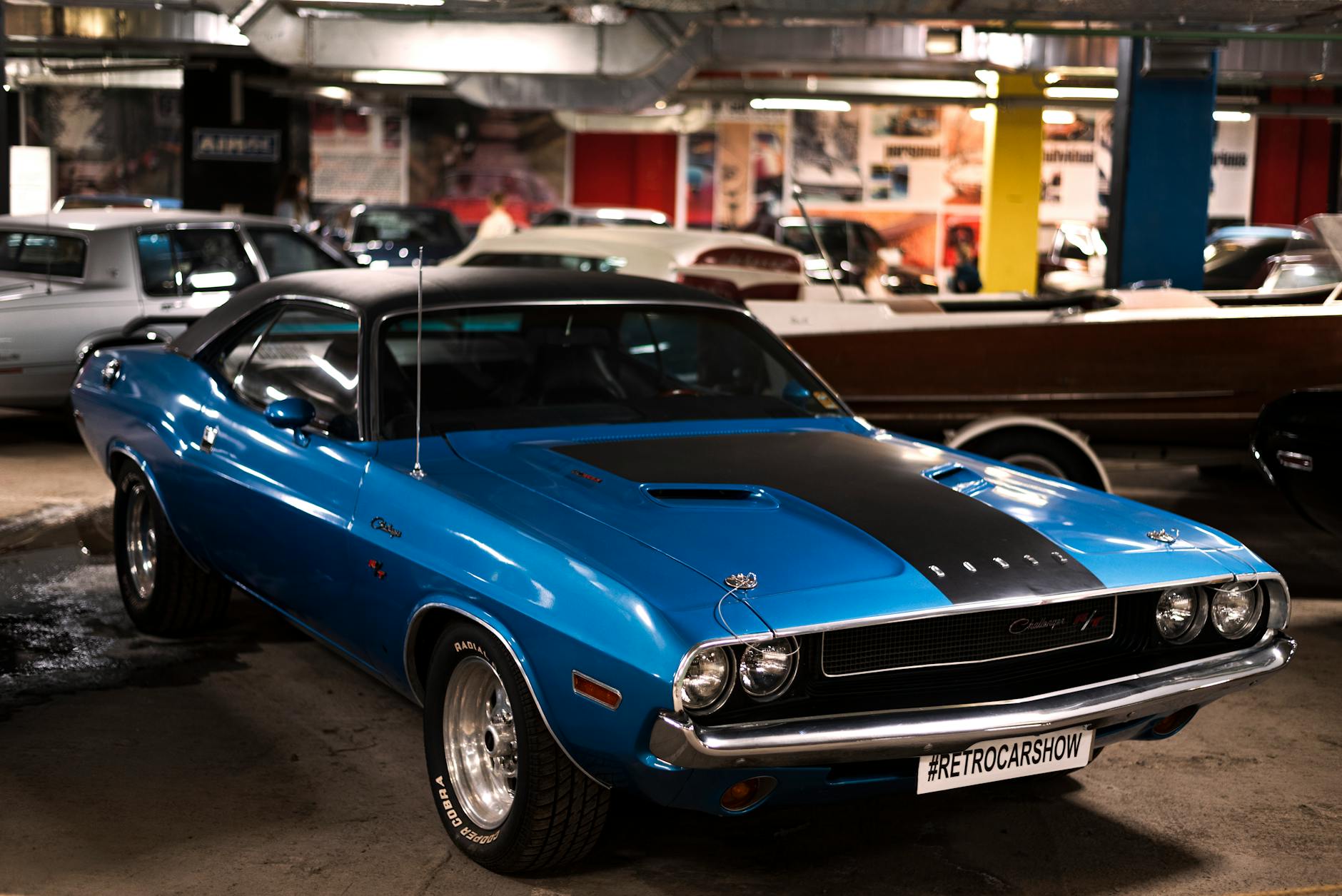
How the Oil Crisis Accidentally Gave Birth to America's Wildest Performance Cars
Ask most car enthusiasts about the 1970s, and you'll get a pained expression. The oil embargo. Smog regulations. Horsepower ratings that were embarrassingly inflated just to hide how gutless engines had become. The story of American muscle in the '70s is usually told as a tragedy — a golden era that choked to death on catalytic converters and unleaded fuel.
But that version of history has a serious blind spot. Because while the showroom floor was full of neutered ponycars and strangled V8s, something else was quietly happening in back rooms, small shops, and engineering departments that officially didn't exist. The chaos of the fuel crisis didn't just kill performance in America. For a certain kind of obsessive, it created the perfect cover to build something extraordinary.
The Official Story (And Why It's Incomplete)
The 1973 OPEC oil embargo sent gas prices through the roof and put the entire American auto industry on the defensive. Detroit's response was survival mode: smaller engines, lower compression ratios, and a wholesale retreat from the high-performance image that had defined the late 1960s. By 1975, the Pontiac GTO — once the car that launched the muscle car era — was essentially a rebadged Chevy Monza with a hood scoop. It was a rough time.
But here's what the standard narrative misses: the regulations and restrictions of that era were written for production vehicles sold at scale. Small manufacturers, specialty shops, and limited-run packages often existed in the gaps. And some of the people who had spent the late '60s building race-ready street cars didn't just walk away — they adapted.
The Backdoor Packages Nobody Advertised
One of the most remarkable examples is the work done through a network of performance dealers who operated what enthusiasts now call "Q-ship" programs — factory-connected but off-the-books packages that put serious hardware into unassuming bodies.
Carroll Shelby, already a legend by the early '70s, never really stopped thinking about performance. And he wasn't alone. Small outfits like Callaway Engineering (which would later become famous for twin-turbo Corvettes) were laying groundwork during this era that most automotive journalists completely ignored at the time. The audience for this stuff was tiny, the production numbers were minuscule, and that was almost the point.
Dealer-level modifications were particularly interesting. Some Pontiac and Buick dealers in the Midwest were quietly building cars with engine combinations that had no business existing given the regulatory climate. The 1977–1979 period, often written off entirely, actually produced some surprisingly potent machines through these channels — cars that never appeared in a magazine test but that savvy buyers knew to ask about.
Why the Crisis Actually Helped
This is the counterintuitive part: the fuel crisis created conditions that were, paradoxically, useful for underground performance development.
First, the big manufacturers had pulled back from factory racing support, which freed up engineers who had been working on motorsport programs. Some of them took that knowledge to smaller operations where they had more freedom. Second, because nobody was paying attention to the low-volume, specialty end of the market, there was less regulatory scrutiny there. And third — perhaps most importantly — the collapse of the mainstream muscle car market drove down the cost of high-performance parts dramatically. Dealers were practically giving away big-block components that had become unsellable.
The result was a small but fierce performance underground that was experimenting aggressively precisely because the spotlight had moved elsewhere.
The Cars That Came Out the Other Side
By the very early 1980s, some of that underground work started surfacing in ways that shocked the industry. The 1982 Corvette Cross-Fire Injection, the rising arc of the Buick Grand National program (which would peak in the legendary 1987 GNX), and the emergence of serious aftermarket forced-induction systems all had roots in the development work that happened during the supposed dead years.
The Buick Grand National story is particularly worth knowing. While Chevrolet was struggling to keep the Corvette relevant, Buick engineers were quietly developing a turbocharged V6 that, by the mid-1980s, would outrun virtually everything on the street. That program didn't materialize from nowhere — it was the product of years of low-profile development that started right in the middle of the crisis era.
Rewriting the Dark Age
The 1970s are still an easy target, and honestly, a lot of the criticism is fair. There were genuinely terrible cars built during that decade. But the habit of writing the entire era off as a performance wasteland erases a fascinating chapter of American ingenuity.
Some of the most creative engineering in US automotive history happened precisely because the usual resources and attention weren't available. Constraints forced invention. The absence of a spotlight created space for experimentation. And the people who cared enough to keep building performance cars when it wasn't commercially fashionable laid the foundation for everything that came after.
The gas crisis didn't just kill muscle cars. It drove the most dedicated builders underground — and what they figured out down there changed American performance forever.