The Mystery Setting That Turns Your Automatic Into a Mountain-Climbing Machine
The Numbers Game Most Drivers Never Play
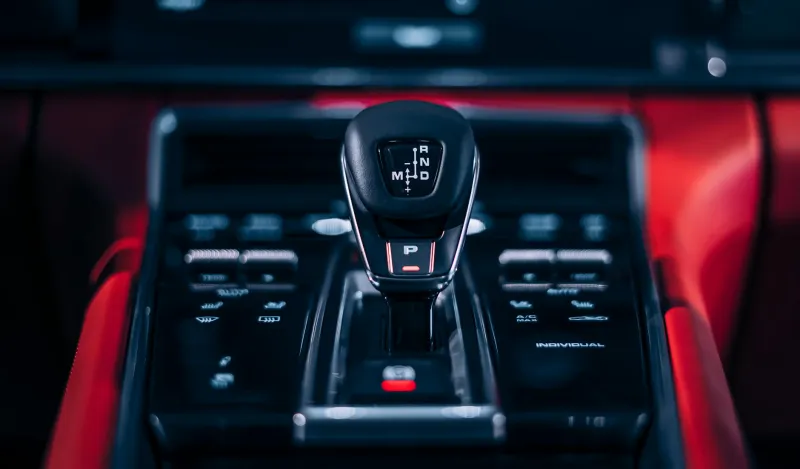
Look down at your gear shifter right now. See those numbers sitting quietly below the "D"? Those aren't decoration. They're not backup options for when your transmission breaks. They're actually some of the most useful tools your car offers — and chances are, you've been driving past them for years without a second thought.
While most drivers live their entire automotive lives in Park, Reverse, and Drive, there's a whole world of control waiting in those numbered positions. Professional truck drivers know this secret intimately. So do tow truck operators, mountain residents, and anyone who's ever had to haul a boat up a steep ramp. But somehow, this knowledge never made it into most driving education.
What Those Numbers Actually Do
Those numbered gear positions — typically 1, 2, and sometimes 3 — aren't mysterious at all once you understand their purpose. They're manual overrides that lock your transmission into specific gear ranges, preventing it from shifting beyond that point.
When you select "2," your transmission will only use first and second gear, no matter how fast you're going or how much you press the accelerator. Choose "1," and you're locked into first gear entirely. It's like having a manual transmission's control without the clutch pedal.
This might sound limiting, but it's actually incredibly powerful. Your car's computer is smart, but it doesn't always know what you're trying to accomplish. Sometimes you need to override its decisions.
The Trucker's Secret Weapon
Talk to any long-haul trucker, and they'll tell you about engine braking — using the engine's compression to slow down instead of relying solely on brake pedals. Big rigs do this automatically with systems called Jake brakes, but your car can do a simpler version of the same thing.
When you're descending a long, steep hill, staying in Drive means your transmission will likely shift into higher gears to maintain speed efficiently. But efficiency isn't what you want when you're trying to control your descent. You want resistance.
Drop into "2" or "1," and suddenly your engine becomes a speed controller. The lower gears force your engine to work harder, creating natural resistance that slows your vehicle without touching the brake pedal. Your brakes stay cool, your brake pads last longer, and you maintain better control.
The Towing Game-Changer
Here's where things get really interesting. If you've ever towed a trailer, boat, or even a small utility trailer, you've probably experienced that moment when your transmission seems confused. It shifts up, loses power, shifts back down, then repeats the cycle endlessly.
This "hunting" behavior happens because your car's transmission is programmed for normal driving, not the extra weight and wind resistance of towing. The computer keeps trying to find the most efficient gear, but efficiency and control are two different things when you're pulling extra weight.
Lock it into "2" or "3," and the confusion ends. Your transmission stops hunting, your engine stays in its power band, and you maintain steady progress without the constant shifting that can overheat your transmission fluid.
The Snow Day Strategy
Northern drivers have another use for these forgotten gears: snow and ice control. Starting from a stop on slippery surfaces in Drive often means your car will try to use second gear for efficiency. But second gear can deliver too much power too quickly, causing your wheels to spin uselessly.
Start in "1" instead, and you get maximum control with minimum wheel spin. The lower gear ratio means more torque multiplication but gentler power delivery — exactly what you need when traction is limited.
The Parking Lot Precision Tool
Even in everyday situations, these gears have their place. Ever tried to position your car precisely in a tight parking spot or navigate a crowded parking garage? In Drive, your car wants to move at a certain minimum speed, making fine positioning difficult.
Drop into "1," and you can crawl at walking speed with complete control. No more jerky stop-and-go movements or accidentally rolling too far forward.
Why This Knowledge Disappeared
So why don't more people know about these features? The answer lies in how automatic transmissions evolved. Early automatics were simpler and less sophisticated, so drivers needed to use manual control more often. As transmissions became smarter and more complex, manufacturers emphasized the "automatic" part — set it to Drive and forget about it.
Driving schools rarely teach these techniques because they're not necessary for basic operation. But "not necessary" and "not useful" are very different things.
The Modern Reality Check
Before you start experimenting, know that modern cars handle these situations differently than older ones. Many newer vehicles have electronic systems that prevent engine over-revving, even in lower gears. Some have specific "tow/haul" modes that accomplish similar goals through computer programming.
But the fundamental principle remains: sometimes you know better than your car's computer what kind of performance you need. Those numbered gears give you the override switch.
Taking Back Control
The next time you're facing a steep mountain descent, pulling a trailer up a boat ramp, or trying to maintain control on icy roads, remember those forgotten numbers on your gear shifter. They're not relics from a bygone era — they're tools that professional drivers use every day to maintain control when automatic isn't good enough.
Your car has been offering you this control all along. You just needed to know it was there.