The Program That Sounded Too Good to Be True
In the summer of 2009, as America struggled through the worst economic crisis since the Great Depression, the federal government launched what seemed like a win-win program: Cash for Clunkers. Officially called the Car Allowance Rebate System, it promised to stimulate car sales, reduce emissions, and put money in consumers' pockets by offering up to $4,500 for trading in older, less fuel-efficient vehicles.
What most Americans didn't know was that buried in the program's regulations was a requirement that would horrify car collectors and automotive historians: every single trade-in vehicle had to be permanently destroyed. Not sold, not donated, not recycled for parts—destroyed.
The Devil in the Details
The destruction process wasn't just crushing cars for scrap metal. Federal guidelines required dealers to drain the engine oil and replace it with a sodium silicate solution that would chemically seize the engine within minutes of operation. This ensured that no engine could ever run again, making it impossible for anyone to restore even the rarest vehicles.
"They called it 'glass' because that's essentially what it turned your engine into," remembers Tom Rodriguez, who managed a Chevrolet dealership in Phoenix during the program. "We had customers bringing in cars that were worth way more than the rebate, but once they signed the paperwork, we had no choice. The engine had to be killed."
The federal oversight was strict. Dealers who failed to follow the destruction protocol faced hefty fines and could be barred from future government programs. Every destroyed vehicle had to be documented with photos and paperwork proving compliance.
What America Lost
As the program gained momentum, automotive enthusiasts began to realize what was happening. Among the nearly 700,000 vehicles destroyed were cars that today's collectors would consider automotive treasure:
Classic Muscle Cars: First-generation Camaros, Mustang GTs, and Pontiac GTOs that had been daily drivers were scrapped alongside truly worn-out vehicles. Many of these cars needed only minor repairs but qualified for the program due to their poor fuel economy ratings.
Rare Imports: Japanese sports cars from the 1980s and 1990s that have since become highly sought after, including Nissan 300ZXs, Toyota Supras, and Mazda RX-7s. These vehicles are now worth tens of thousands of dollars in good condition.
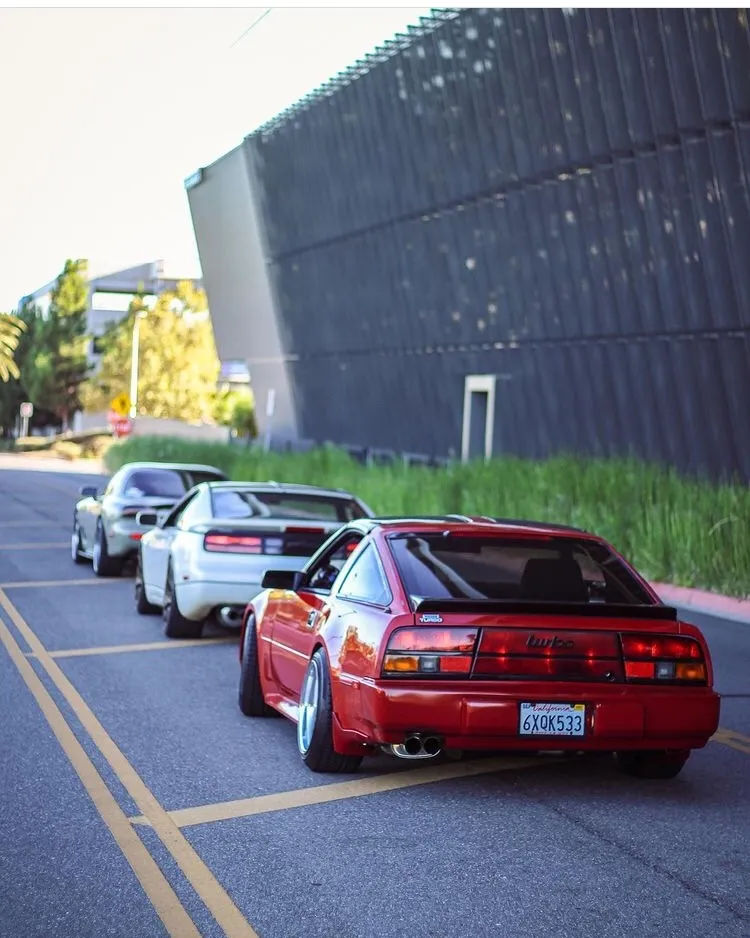 Photo: Nissan 300ZX, via 64.media.tumblr.com
Future Classics: Cars that seemed ordinary in 2009 but are now recognized as significant, such as BMW E30 3 Series models and Mercedes-Benz W124 wagons that European collectors prize today.
Perhaps most tragically, the program caught vehicles that were on the cusp of becoming collectible. Cars from the late 1980s and early 1990s were old enough to qualify but not yet recognized as classics worth preserving.
The Collectors' Horror Stories
Dave Kindig, host of the television show "Bitchin' Rides," still talks about watching a pristine 1987 Buick Grand National—now worth $30,000 or more—get the sodium silicate treatment. "The owner thought they were getting a great deal trading it for a new economy car," he recalls. "They had no idea they were destroying a piece of automotive history."
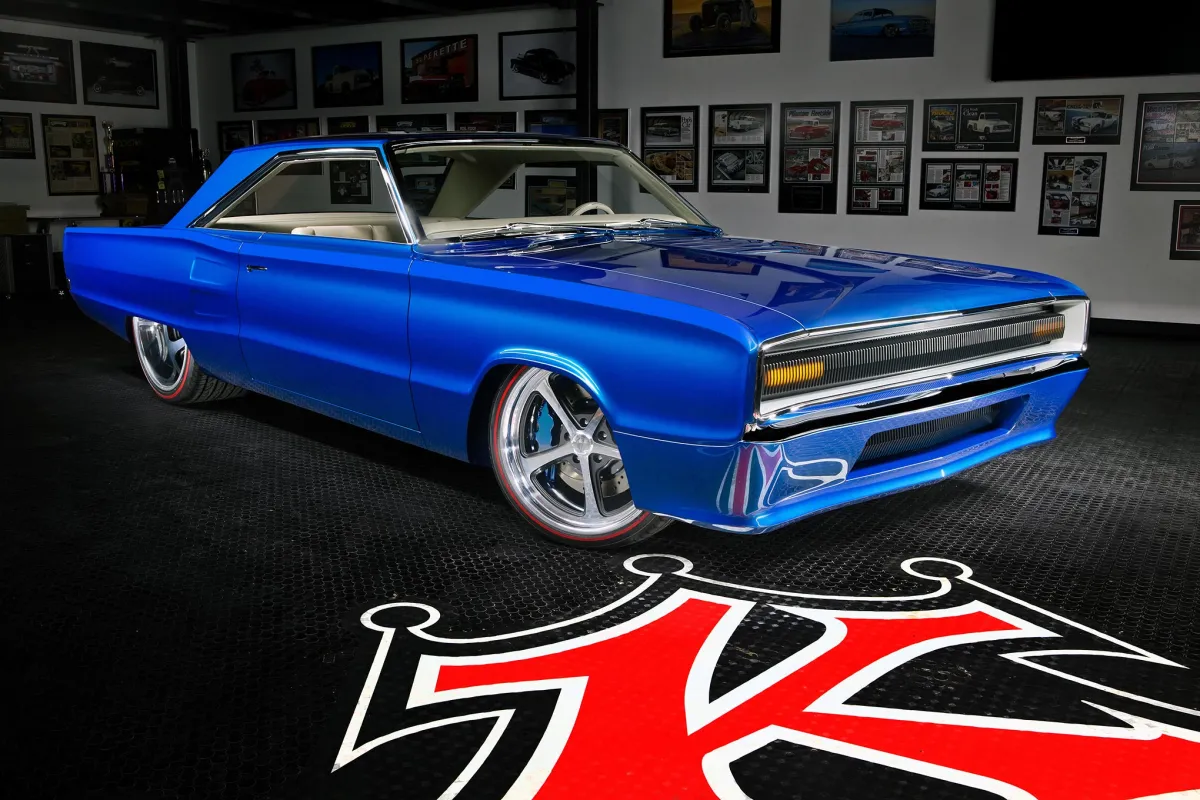 Photo: Dave Kindig, via www.motortrend.com
Classic car forums from that period are filled with similar stories: a low-mileage Corvette traded because the owner needed something more practical, a mint-condition Bronco that would be worth $50,000 today, destroyed for a $4,500 rebate.
The Specialty Equipment Market Association (SEMA) tried to raise awareness about the program's impact on automotive heritage, but their warnings came too late for most vehicles. By the time collectors organized opposition, hundreds of thousands of cars had already been processed.
Why the Government Got It Wrong
The destruction requirement wasn't meant to target classic cars—it was designed to ensure that fuel-inefficient vehicles actually left the road rather than being resold to other drivers. But the program's architects failed to account for the difference between truly worthless vehicles and cars that might have poor fuel economy but significant historical or collector value.
"The bureaucrats who wrote the rules didn't understand car culture," explains automotive journalist Larry Webster. "They saw a 1985 Mustang getting 15 mpg and thought 'gas guzzler.' They didn't see a future classic that represented an important era in American automotive design."
The program also operated during a unique moment in automotive history. Many cars from the 1980s and 1990s were just beginning their transition from used cars to collectibles. In a normal market, these vehicles might have found their way to enthusiasts willing to restore them. Instead, they went straight to destruction.
The Lasting Impact
Today, the effects of Cash for Clunkers are still rippling through the collector car market. Vehicles that survived the program have become significantly more valuable due to artificial scarcity. Car shows and swap meets regularly feature discussions about "the ones that got away" during that summer of 2009.
The program also changed how automotive preservation groups think about government policy. Organizations like the Historic Vehicle Association now monitor federal legislation more closely, looking for unintended consequences that could affect automotive heritage.
Lessons from the Scrapyard
Cash for Clunkers succeeded in its primary goals: it boosted car sales during a critical economic period and removed older, less efficient vehicles from the road. But it also demonstrated how quickly automotive history can be erased when policymakers don't consider the cultural value of the objects they're regulating.
The program serves as a reminder that today's ordinary car could be tomorrow's classic. Every generation of vehicles has examples that will eventually be recognized as significant, whether for their design, their technology, or their role in automotive evolution.
For car enthusiasts, Cash for Clunkers represents more than just lost vehicles—it's a cautionary tale about the importance of preserving automotive heritage before it's too late. In the rush to move forward, we sometimes forget that the cars we drive today are the classics of tomorrow, and once they're gone, they're gone forever.