The Cornering Secret Racing Schools Teach First — That Regular Drivers Never Even Hear About
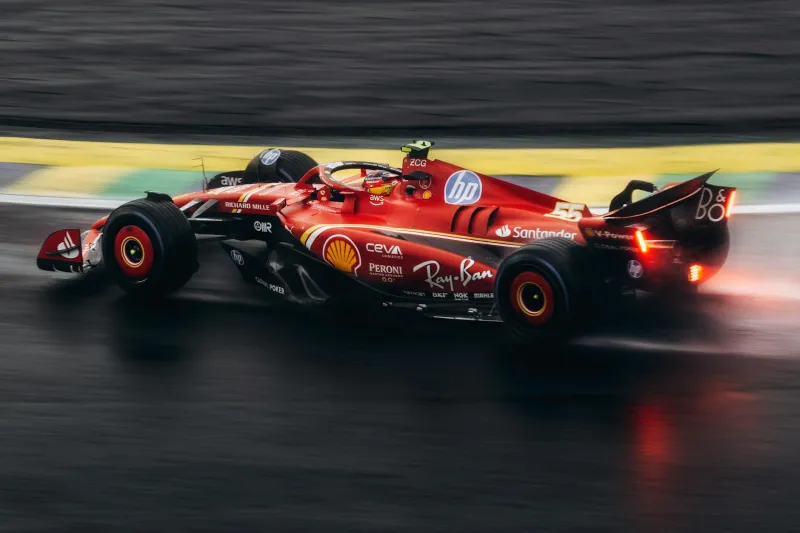
The Cornering Secret Racing Schools Teach First — That Regular Drivers Never Even Hear About
Walk into any racing school in America, and the first thing they'll teach you isn't how to go fast. It's how to slow down — specifically, how to brake while turning. This technique, called trail braking, is so fundamental to high-performance driving that instructors consider it the difference between someone who drives a car and someone who actually controls one.
Yet ask any regular driver about trail braking, and you'll get blank stares. That's not an accident.
The Technique That's Hiding in Plain Sight
Trail braking sounds simple enough: instead of completing all your braking before entering a corner (like driver's ed teaches), you gradually release the brake pedal as you turn into the curve. The "trail" refers to the tapering brake pressure that extends into the turn itself.
But this isn't just about going faster around corners. Trail braking fundamentally changes how weight transfers in your car, keeping the front tires loaded and giving you dramatically better steering response and control. When done correctly, it can prevent understeer (that terrifying moment when your car wants to go straight instead of following the curve), improve stability, and actually make emergency maneuvers safer.
Professional drivers use this technique constantly. Every NASCAR driver, every Formula 1 pilot, every driving instructor at places like Skip Barber Racing School — they all trail brake as naturally as breathing. It's not optional in their world.
Why Driver's Ed Pretends It Doesn't Exist
Here's where things get interesting: the deliberate omission of trail braking from mainstream driving instruction isn't an oversight. It's policy.
Standard driving education follows what's called the "slow in, fast out" principle — brake hard before the turn, then coast or accelerate through it. This approach prioritizes simplicity and reduces the chance of driver error. For someone learning to drive, it's safer to teach one action at a time: brake, then steer, then accelerate.
But there's another reason trail braking got excluded from the curriculum. Insurance companies and traffic safety organizations worried that teaching more advanced techniques might encourage aggressive driving. The thinking was: if we teach people to brake while turning, they might start taking corners faster.
So instead, generations of American drivers learned a technique that works fine for parking lots and suburban streets but leaves them unprepared for emergency situations or challenging road conditions.
The Physics Behind the Magic
To understand why trail braking works so well, you need to think about weight transfer. When you brake hard, weight shifts forward, pressing the front tires into the pavement and giving them more grip. When you let off the brakes completely (traditional driving school method), that weight shifts back, reducing front tire grip just when you need it most for steering.
Trail braking keeps some weight on the front wheels throughout the early part of the turn. This maintains grip where you need it, prevents the car from pushing wide (understeer), and gives you much more precise steering control.
Racing driver Ross Bentley, who's taught thousands of students, puts it this way: "Trail braking is like having a conversation with your car's suspension. You're constantly adjusting the balance, keeping the car exactly where you want it."
The Street-Safe Version
Before you start trail braking into every highway on-ramp, understand that the racing version requires extensive practice and perfect conditions. But there's a simplified, street-safe adaptation that any driver can learn.
Instead of the aggressive brake-and-turn overlap that racers use, try this: as you approach a curve, do 90% of your braking before the turn (just like driver's ed taught you), but instead of releasing the brake completely, maintain just light pressure as you begin steering. Think of it as "kissing" the brake pedal rather than pressing it.
This gentle version still provides better weight distribution and steering feel without the risks associated with full trail braking. Practice it first in empty parking lots with cones, then gradually apply it to familiar roads.
Why This Matters Beyond the Track
The real value of understanding trail braking isn't about driving faster — it's about having more tools available when things go wrong. That moment when you hit a patch of ice mid-turn, or when you're forced to brake while avoiding an obstacle, or when you misjudge a curve's tightness — these are exactly when weight transfer knowledge becomes crucial.
Drivers who understand these techniques report feeling more connected to their cars and more confident in challenging conditions. They're not just passengers in their own vehicles; they're actively managing the physics of driving.
The Hidden Divide
There's an invisible line in American driving culture. On one side are the millions of drivers who learned the basics and stopped there, treating their car like an appliance. On the other side are those who discovered that driving is actually a skill with hidden depths — people who learned techniques like trail braking, heel-toe downshifting, and proper seating position.
The gap between these groups is enormous, yet most people don't even know it exists. Racing schools and advanced driving courses are filled with ordinary drivers having the same revelation: "I had no idea there was so much more to learn."
Next time you're on a winding road, pay attention to how your car feels in the corners. If you're doing everything by the book but still fighting understeer or feeling disconnected from the steering, you might be ready to discover what racing instructors have been teaching all along — that the real conversation between driver and machine happens in those crucial moments between braking and turning.