Watch any New York City taxi driver slide into a spot that looks impossibly tight, and you're witnessing something most American drivers think is pure magic. But it's not intuition or years of practice that makes the difference — it's a systematic approach that treats parallel parking like a geometry problem with a reliable solution.
While most of us were taught to "use your mirrors and go slow," professional chauffeurs and European driving schools have been teaching a reference-point technique that removes almost all the guesswork. The method is so precise that some instructors guarantee their students will nail it every time after just three practice sessions.
The Method They Don't Teach Anymore
The technique relies on using your car's fixed reference points — specific spots on your mirrors, windows, and dashboard — to create a reproducible sequence of moves. Here's how it actually works:
Step 1: The Setup Pull alongside the front car until your side mirrors are aligned. This isn't approximate — your mirrors should be exactly even with theirs. Your cars should be about two feet apart, roughly the width of a standard parking space line.
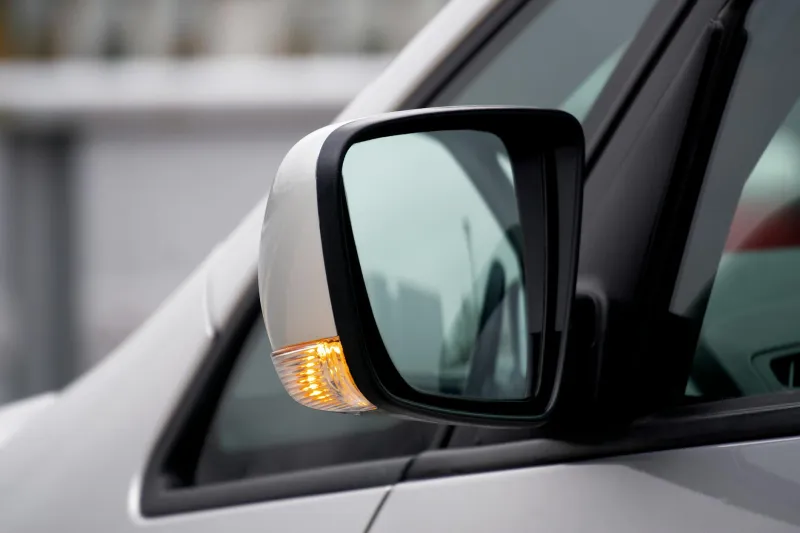
Step 2: The First Reference Point Put the car in reverse and begin backing up slowly. Keep your wheel straight until the rear corner of the front car appears in your passenger-side mirror at a specific spot — usually where the mirror's housing meets the glass. This is your trigger point.
Step 3: The Turn Once you hit that reference point, turn your steering wheel completely to the right (assuming you're parking on the right side). Continue backing until your car reaches a 45-degree angle to the curb.
Step 4: The Correction Straighten the wheel and continue backing until your car's front bumper clears the rear bumper of the front car. Then turn the wheel completely in the opposite direction and back in until you're parallel.
The entire maneuver takes about 30 seconds and works regardless of your car's size, the spot's dimensions, or weather conditions.
Why America Forgot the Formula
This systematic approach was standard in American driving schools through the 1970s. Instructors would spend entire lessons helping students identify their car's specific reference points and practice the sequence until it became automatic.
But as driver's education programs faced budget cuts and time constraints, the detailed parallel parking curriculum was one of the first casualties. The assumption was that students could figure it out through practice, or that power steering and backup cameras would eventually solve the problem.
Meanwhile, countries like Germany and the Netherlands continued requiring mastery of reference-point parking as part of their licensing process. The result? European drivers routinely park in spaces that would intimidate most Americans, not because they're more skilled, but because they're following a proven system.
The Professional Advantage
Chauffeurs, taxi drivers, and delivery professionals never stopped using reference-point techniques because their livelihoods depend on parking quickly and accurately in tight urban spaces. Many develop their own variations based on their specific vehicles.
One veteran Boston taxi driver explained it this way: "I don't think about parallel parking any more than you think about walking up stairs. My mirrors tell me exactly when to turn the wheel, and my car goes where it's supposed to go."
Limo drivers face an even greater challenge, maneuvering vehicles that can stretch over 30 feet long. They rely on reference points not just for parallel parking, but for navigating narrow hotel driveways and positioning precisely at red carpet events.
Why Backup Cameras Aren't Enough
Modern parking assistance technology has created a paradox: cars are easier to park than ever, but drivers are becoming less confident parkers. Backup cameras show you what's behind your car, but they don't teach you the spatial relationship between your vehicle and the parking space.
Reference-point parking works because it's based on the unchanging geometry of your car. Once you've identified your specific reference points — which take about 15 minutes in an empty parking lot — the technique works in any situation, regardless of lighting, weather, or technology failures.
Learning Your Car's Language
Every car has slightly different reference points based on its dimensions, mirror placement, and seating position. The key is spending time in a safe environment — like an empty parking lot with cones — to identify your specific markers.
Some drivers use the spot where their side mirror's adjustment control appears in the mirror glass. Others rely on dashboard elements visible through the windshield. The exact reference point matters less than consistency — using the same visual cue every time creates the muscle memory that makes the technique automatic.
The Confidence Factor
Perhaps the biggest advantage of reference-point parking isn't the technique itself, but the confidence it creates. When you know exactly when to turn the wheel and how far to back up, parallel parking stops being a source of anxiety and becomes just another routine driving task.
That confidence is visible to other drivers too. Instead of the hesitant, multi-point parking attempts that frustrate traffic, reference-point parkers slide smoothly into spots in a single fluid motion.
The next time you see someone execute a perfect parallel park, remember: they're not showing off or relying on luck. They're probably just following a formula that's been hiding in plain sight for decades.