The Hidden Map of America's Cheapest Gas — And Why Your GPS Will Never Show It
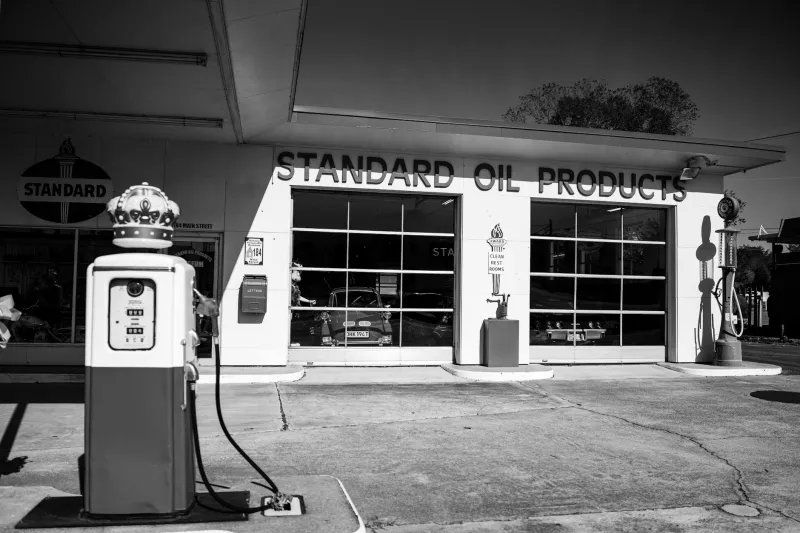
The Gas Station You Drive Past Every Day
There's a good chance you've driven past America's cheapest gas without even noticing it. While branded stations with their towering signs grab your attention from the highway, some of the country's most affordable fuel hides in plain sight — at unmarked pumps, independent stations, and in locations that seem to defy basic business logic.
The difference isn't just a few pennies. We're talking about savings that can add up to hundreds of dollars per year for the average driver.
The Geography of Cheap Gas
Fuel pricing follows patterns that most drivers never think about, but once you know what to look for, these bargains become surprisingly predictable.
State Border Stations: Drive along any state line, and you'll notice something interesting. Gas stations cluster right at the border, often on the side with lower state taxes. A station in New Hampshire might undercut its Vermont neighbor across the street by 20 cents per gallon, simply due to tax differences. Smart drivers in border towns regularly cross state lines just to fill up.
The "Last Exit" Phenomenon: Highway exit positioning creates a bizarre pricing hierarchy. The first exit after entering a new state often features sky-high prices targeting desperate travelers. But drive to the last exit before leaving that same state, and you'll find stations competing aggressively to capture drivers before they cross into potentially cheaper territory.
Industrial District Secrets: Some of the cheapest gas in America sits in industrial areas where most consumers never venture. These stations primarily serve commercial fleets and local workers, so they price aggressively to maintain volume. A station tucked behind a manufacturing plant might sell gas for 15-30 cents less than the suburban location five miles away.
The Unbranded Advantage
Major gas brands spend millions on marketing, real estate, and franchise fees — costs that get passed directly to consumers. Independent stations and unbranded "off-brand" pumps operate with dramatically lower overhead.
These stations buy their fuel from the same refineries as the big brands, often through spot market purchases that allow them to capitalize on temporary price drops. When wholesale prices fall, independent stations can lower their prices immediately, while branded stations might be locked into longer-term contracts.
The fuel quality? Virtually identical. All gasoline sold in the United States must meet the same EPA standards, regardless of the brand name on the pump.
The Apps That Changed Everything
While gas pricing patterns have existed for decades, smartphone apps have democratized access to this information. Apps like GasBuddy, Waze, and GetUpside crowdsource real-time pricing data, revealing the cheapest options in any area.
But here's what most users don't realize: these apps show you more than just prices. They reveal the patterns. Spend a few weeks checking prices in your area, and you'll start to notice that certain stations consistently rank among the cheapest, while others perpetually overcharge.
The Warehouse Club Wildcard
Costco, Sam's Club, and BJ's Wholesale Club operate some of America's cheapest gas stations — and it's not just because of member discounts. These retailers use fuel as a loss leader, pricing it below their cost to drive store traffic and membership renewals.
The catch? You need a membership, and these stations often have lines. But the savings can be substantial — sometimes 10-20 cents per gallon below nearby competitors.
Timing the Market
Gas prices follow weekly patterns that most drivers never notice. Prices typically rise on Thursday and Friday as stations prepare for weekend travel demand, then drop on Monday and Tuesday. Independent stations, with their lower overhead and flexibility, often lead these price swings.
Seasonal patterns matter too. Independent stations in tourist areas might offer rock-bottom prices in the off-season to maintain cash flow, while branded stations keep prices steady year-round.
The Strategy That Actually Works
Forget driving around aimlessly hunting for cheap gas. Instead, develop a mental map of consistently low-priced stations in areas you frequent. Check apps occasionally to identify new bargains, but focus on building a reliable rotation of go-to spots.
Pay attention to your route. If you regularly drive near state borders, industrial areas, or warehouse clubs, factor fuel stops into your trips. The few minutes of planning can save you significant money over time.
Why This Knowledge Stays Hidden
Major gas brands have no incentive to advertise that unbranded stations sell identical fuel for less money. Highway departments design exits to maximize visibility for the highest bidders. Even GPS systems and mapping apps often prioritize branded stations in their search results.
The result? A parallel fuel economy exists right alongside the mainstream one, offering consistently lower prices to drivers who know where to look.
The next time you're running low on gas, resist the urge to pull into the first station you see. That extra mile or two to an independent station might just pay for itself — and then some.