The Lost Art of Reading Roads Like a Book — Why Old-School Drivers Could See What's Coming Miles Ahead
The Lost Art of Reading Roads Like a Book — Why Old-School Drivers Could See What's Coming Miles Ahead
Picture this: You're cruising down an unfamiliar highway when suddenly, without any warning signs or GPS alerts, you instinctively know there's a sharp curve coming up in half a mile. Sounds impossible? For generations of drivers before smartphones and satellite navigation, this wasn't magic — it was survival.
When Roads Told Stories
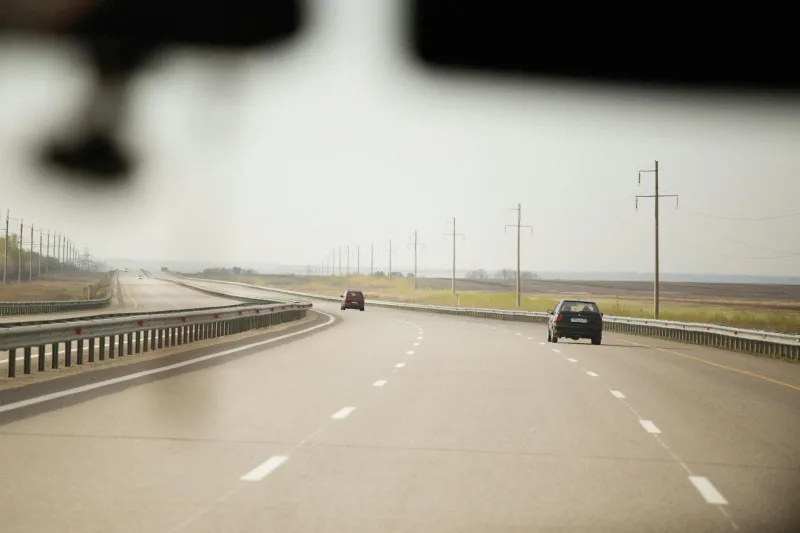
Back in the pre-GPS era, experienced drivers developed what can only be described as a sixth sense for reading the road ahead. They could glance at seemingly random details — the way guardrails curved into the distance, subtle shifts in pavement color, or how telephone poles marched along the horizon — and predict what lay around the next bend with uncanny accuracy.
This wasn't just useful; it was essential. Before standardized highway design and comprehensive signage, roads were far less predictable. A scenic country route could suddenly drop into a steep valley, or a seemingly straight stretch might hide a 90-degree turn where the road followed an old property line.
The Visual Language Nobody Teaches Anymore
So what exactly were these road whisperers seeing that the rest of us miss? The clues were everywhere, hiding in plain sight.
Pavement tells tales. Different construction periods left distinct signatures in the asphalt. Older sections often had a slightly different color or texture, and smart drivers learned that these transitions frequently coincided with changes in road geometry. A patch of darker asphalt snaking off to the right? Probably an old curve that was later straightened, but the original path might still influence the current road's subtle banking.
Trees don't lie. Unlike road signs, which can be missing or misleading, vegetation follows the natural contours of the land. Experienced drivers would scan the treeline in the distance, watching for gaps or changes in height that revealed hidden valleys, creek crossings, or ridge lines that the road would inevitably follow.
Guardrails are roadmaps. Those metal barriers weren't randomly placed — they appeared where engineers expected trouble. A careful observer could follow the guardrail's path with their eyes, tracing it around curves that weren't yet visible to predict exactly how sharp the upcoming turn would be.
The Professionals Who Never Lost the Touch
While most drivers forgot these skills as GPS took over, certain professionals kept the tradition alive out of necessity.
Rally co-drivers still practice an extreme version of road reading, calling out pace notes that describe upcoming terrain features based on visual reconnaissance. They can spot a "crest into right 4" (a hill followed by a medium-speed right turn) from subtle changes in the horizon line that would be invisible to casual observers.
Long-haul truckers from the old school maintain an almost mystical ability to predict when a highway is about to climb or descend based on power line angles, the behavior of oncoming traffic, and even the way shadows fall across the pavement.
Rural mail carriers develop incredible road intuition from driving the same routes daily under different conditions. They notice how morning frost patterns reveal low spots where water collects, or how dust settles differently on curves versus straight sections.
Why This Ancient Skill Still Matters
In our GPS-dependent world, you might wonder why anyone should bother learning to read roads the old-fashioned way. But this forgotten art offers advantages that no app can match.
First, it works when technology fails. Dead phone battery? No cell service? Road reading keeps you safe and oriented. Second, it makes you a more engaged, defensive driver. Instead of blindly following GPS commands, you're actively observing and anticipating.
Most importantly, it transforms driving from a mindless chore into an active skill. Once you start noticing the subtle visual cues that reveal a road's secrets, even familiar commutes become more interesting.
Reviving Your Road Sense
The good news? This skill isn't truly lost — it's just dormant. Anyone can begin developing road intuition with practice.
Start by turning off your GPS on familiar routes and paying attention to the visual clues you normally ignore. Notice how guardrails telegraph upcoming curves, how the spacing of roadside objects changes before hills, and how pavement color shifts often coincide with changes in road character.
On longer trips, try predicting what's ahead based on what you can see in the distance. You'll be surprised how often the landscape gives away the road's secrets if you know how to look.
The Road Ahead
As autonomous vehicles promise to handle all our driving decisions, the art of reading roads might seem destined for complete extinction. But there's something deeply satisfying about understanding the landscape around you, about feeling connected to the road rather than just being transported along it.
The next time you're behind the wheel, take a moment to really look at the road ahead — not just the next hundred yards, but the distant horizon. Those guardrails, tree lines, and pavement patterns are still telling their stories. The question is: are you listening?
In a world increasingly mediated by screens and algorithms, maybe it's worth preserving at least one ancient skill that connects us directly to the physical world around us. After all, the road has been trying to tell us its secrets all along — we just forgot how to listen.