The Secret Button Every Automatic Driver Ignores — Until They Hit Their First Mountain Pass
The Secret Button Every Automatic Driver Ignores — Until They Hit Their First Mountain Pass
Picture this: You're cruising down a steep mountain road in Colorado, tapping your brakes every few seconds to keep your speed in check. By the time you reach the bottom, your brake pedal feels spongy, there's a burning smell in the air, and you're wondering if you just shortened your car's lifespan by a few thousand miles.
Meanwhile, the pickup truck that passed you at the top is coasting down at a steady 35 mph without touching the brakes once. The driver isn't some mountain-road wizard — they're just using a feature that's been sitting right next to your right hand this entire time.
The Mystery Mode Hiding in Plain Sight
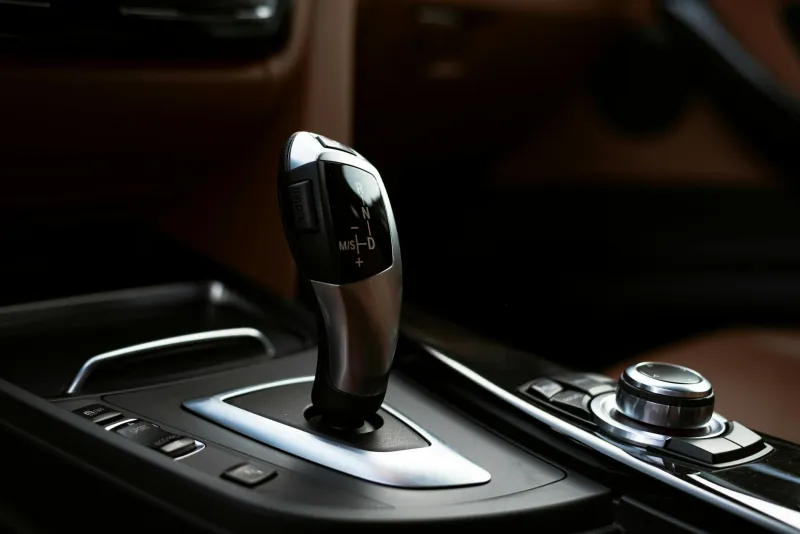
Look at your gear shifter right now. See that 'L' or '2' or those little paddle shifters behind your steering wheel? Most automatic transmission drivers treat these like automotive appendices — vestigial features left over from some bygone era of driving.
But here's what truckers, rally drivers, and anyone who regularly hauls heavy loads knows: these aren't relics. They're your car's built-in brake-saver, designed specifically for situations where gravity wants to turn your vehicle into a runaway freight train.
How Your Car Actually Wants to Slow Down
When you shift into 'L' (Low) or '2' (Second gear), you're telling your transmission to stay in a lower gear instead of automatically shifting up. This forces your engine to work harder to maintain speed, creating what mechanics call 'engine braking.'
Think of it like riding a bicycle down a hill. You can either coast and use your hand brakes constantly, or you can pedal backwards and let the bike's own resistance slow you down. Your car's engine can do the same thing — it just needs permission.
The physics are beautifully simple. In a lower gear, your engine has to spin faster to maintain the same wheel speed. This increased engine resistance naturally fights against gravity, keeping your speed steady without wearing out your brake pads.
The Real Cost of Brake-Only Driving
Here's what happens when you rely solely on your brakes during long descents: friction generates heat. Lots of it. Your brake pads are designed to handle normal stop-and-go traffic, not continuous mountain-road abuse.
As brake pads heat up beyond their optimal temperature range, they begin to 'fade' — becoming less effective just when you need them most. In extreme cases, brake fluid can actually boil, leaving you with a brake pedal that goes straight to the floor.
Professional truck drivers know this so well that many mountain passes have mandatory truck inspection areas and runaway truck ramps for vehicles that lose their brakes. But passenger car drivers? Most have never heard of brake fade, let alone experienced it.
The Rally Driver's Secret
In professional rally racing, co-drivers call out not just turns and obstacles, but also gear recommendations. 'Long left 3, stay in second' isn't just about cornering — it's about using engine braking to maintain control without overheating the brakes.
Rally cars regularly tackle mountain stages that would make your average ski resort access road look like a gentle slope. The difference is that rally drivers use every tool available, including the transmission, to manage their speed.
You don't need to be a professional driver to use these techniques. You just need to remember that your automatic transmission is more flexible than you think.
When to Actually Use This Hidden Feature
Engine braking isn't just for dramatic mountain descents. It's useful anytime you're facing a long, steady decline:
- Freeway off-ramps that curve downhill
- Parking garage exit ramps
- Long hills in hilly cities like San Francisco or Pittsburgh
- Towing a trailer or carrying a heavy load
The key is recognizing when you're in a situation where you'd otherwise be riding your brakes continuously. That's when shifting to 'L' or '2' transforms from a curiosity into a genuinely useful driving technique.
Modern Cars, Ancient Wisdom
Today's paddle shifters and sport modes make engine braking even more accessible. Many newer cars let you manually select gears without ever touching the main shifter — just tap the paddle to downshift and let physics do the work.
Some luxury cars even have automatic engine braking systems that detect steep grades and adjust the transmission accordingly. But for the millions of Americans driving older automatics, that simple 'L' position remains the most underutilized feature on the entire dashboard.
The Bottom Line
The next time you're facing a long downhill stretch, remember: your car came with two braking systems, not one. Your brake pedal is perfect for stopping, but your transmission is designed for controlled descents.
Professional drivers figured this out decades ago. The only question is why it took the rest of us so long to notice what was hiding right there next to the cup holder.