The Traffic Light Timing Code That Saves Gas — If You Know How to Crack It
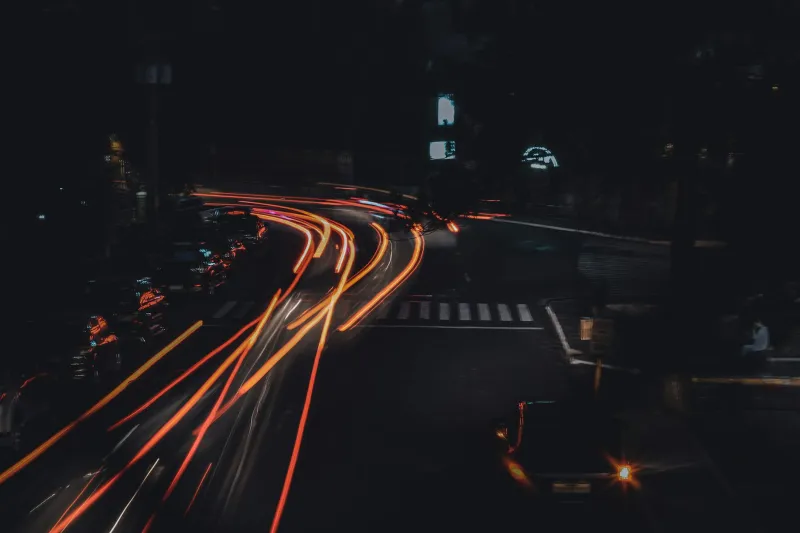
The Secret Language of City Streets
Every morning, millions of Americans sit idling at red lights, burning gas and checking their phones, completely unaware that the traffic system around them is speaking in code. But there's a small community of hypermilers, taxi drivers, and efficiency nerds who've cracked that code — and they're gliding through green lights for miles while the rest of us play stop-and-go roulette.
The secret they've discovered? Something called a "green wave," and it's been hiding in plain sight on American streets for over 60 years.
When Traffic Engineering Got Smart
Back in the 1950s, as car ownership exploded across America, traffic engineers faced a massive problem. Cities were choking on congestion, and drivers were wasting enormous amounts of fuel starting and stopping at every intersection. The solution they developed was elegant: synchronize traffic lights so that a car traveling at the right speed could hit green after green after green.
These synchronized systems, known as green waves or traffic progressions, were quietly installed in cities from coast to coast. The idea was simple — if you could maintain a specific speed (usually between 25-35 mph), you'd arrive at each intersection just as the light turned green.
But here's the thing most drivers never realized: the system only works if you know how to read it.
The Hypermiler Discovery
The modern rediscovery of green waves came from an unlikely source — fuel economy fanatics known as hypermilers. These are the drivers who can squeeze 50+ mpg out of regular cars through obsessive efficiency techniques. In the early 2000s, as gas prices climbed, they started noticing patterns in city traffic that most people missed.
"I was driving the same route to work every day, and I noticed that if I left at exactly the right time and maintained exactly 28 mph, I could make it 12 blocks without hitting a single red light," explains one longtime hypermiler from Portland. "Once you see it, you can't unsee it."
The fuel savings were dramatic. Stop-and-go driving can reduce fuel economy by up to 40% in city conditions. But riding a green wave — maintaining steady speed through synchronized lights — can actually improve your mpg beyond EPA estimates.
How to Spot a Green Wave
The signs are everywhere once you know what to look for. Green waves typically run along major arterial roads — the bigger streets that carry traffic across town. They're most common during rush hours when traffic engineers want to keep cars moving efficiently.
Here's the key: when you get a green light, look ahead to the next intersection. If you can see that light is red but turning green just as you approach, you've found a wave. The timing is usually set for speeds between 25-35 mph — faster than most people expect.
Many cities actually post the "progression speed" on small signs attached to traffic signals, but most drivers never notice them. Look for numbers like "SIGNAL SPEED 30 MPH" or timing indicators that show the optimal travel speed.
The Psychology of Patience
The hardest part isn't finding green waves — it's having the discipline to use them. American driving culture rewards aggressive acceleration and high speeds, but green waves require zen-like patience. You might have to slow down when the road ahead is clear, trusting that the timing will work out.
"People pass me all the time when I'm riding a wave," says a Chicago taxi driver who's been using the technique for over a decade. "Then I pull up next to them at the red light they just hit. They burned extra gas to get to the same place at the same time."
The technique works best during off-peak hours when traffic is lighter and the timing systems can function as designed. During heavy congestion, the waves break down as backed-up cars disrupt the carefully calibrated flow.
Modern Technology Meets Old Engineering
Some newer traffic management systems use adaptive signals that adjust timing based on real-time traffic conditions, making traditional green waves less predictable. But many American cities still rely on the fixed-timing systems installed decades ago, especially on older arterial roads.
Interestingly, some GPS apps and traffic-monitoring systems are starting to incorporate green wave data, though most mainstream navigation apps still focus purely on shortest travel time rather than fuel efficiency.
The Hidden Benefits
Beyond fuel savings, drivers who master green waves report less stress, reduced brake wear, and a more relaxed driving experience. There's something almost meditative about finding the rhythm of a city's traffic flow and riding it smoothly through miles of synchronized intersections.
It's also a small act of rebellion against the hurry-up-and-wait mentality that dominates American driving. While everyone else races to red lights, green wave riders glide past at steady speeds, proof that sometimes the old-school approach still works best.
The next time you're driving through the city, try slowing down and looking ahead. Those traffic lights aren't random obstacles — they're part of an intricate timing system that's been waiting decades for drivers smart enough to notice.