The After-Hours Lot Walk: What Car Dealers Don't Want You to Know About Off-Clock Pricing
The After-Hours Lot Walk: What Car Dealers Don't Want You to Know About Off-Clock Pricing
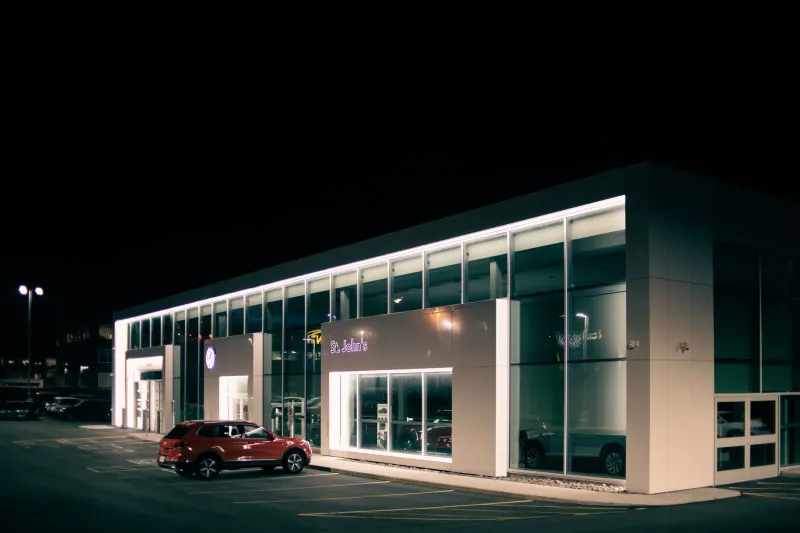
Picture this: it's 10:30 on a Tuesday night. The dealership is technically closed, the flags are still snapping in the breeze, and a lone figure is walking the lot with a flashlight app — not to steal anything, but to shop. That person probably knows something you don't.
Dealerships are open businesses with posted hours, but the pricing psychology behind those lots runs on a completely different clock. And once you understand how that clock works, you'll never walk into a showroom the same way again.
Why the Same Car Costs Less at Midnight (Psychologically Speaking)
Here's the thing about car buying that nobody explains in school: the price on the sticker isn't really the price. It's an opening bid in a negotiation theater — and like any performance, the theater operates differently depending on who's in the audience.
When a salesperson is present, the entire dynamic shifts. You're being read, assessed, and gently guided toward a monthly payment conversation before you've even sat in the driver's seat. Your enthusiasm, your body language, the way you linger near a particular model — all of it is data that gets fed into a negotiation strategy designed to maximize the dealership's margin.
But when you walk the lot alone, after hours, none of that machinery is running. You get to look at cars like a human being instead of a prospect. More importantly, you get to think.
Veteran car buyers have known for years that doing a solo lot walk — even just driving slowly through the inventory after closing — fundamentally resets your psychological baseline. You see what's actually sitting there without a narrative being built around it. That ugly beige crossover in the back corner? The one that's been on the lot for 94 days? That's the car with real negotiating room, and you'd never have noticed it with a salesperson steering you toward the freshly detailed models near the entrance.
The End-of-Quarter Window Nobody Talks About
If you want to go deeper, the timing of when you approach a dealership matters almost as much as the hour. The automotive retail calendar runs on quarters — January through March, April through June, and so on — and the final days of each quarter are when dealership math gets genuinely interesting.
Here's why: most franchised dealerships operate on manufacturer incentive structures that reward hitting unit-sales targets. Miss the target by three cars and you lose a significant volume bonus. Hit it and the bonus can run into tens of thousands of dollars. As the end of a quarter approaches and the numbers aren't quite there, the pressure to move inventory spikes dramatically.
Savvy buyers who show up in the last three to five days of a quarter — especially on the final Saturday or the last business day — are walking into a fundamentally different negotiating environment than someone who shops on the 15th of the month. The urgency is real, even if nobody on the floor will admit it.
Combine that with an after-hours lot walk earlier in the week — where you've already identified your target vehicle and done your research — and you're arriving at the table with information and timing on your side simultaneously.
The Midnight Sticker Read
There's a more tactical version of the after-hours walk that some buyers take seriously. Many dealerships leave detailed pricing and option sheets visible inside vehicle windows or tucked in door pockets overnight. Walking the lot after hours lets you photograph window stickers, note stock numbers, and compare actual invoice-adjacent data without the social pressure of a salesperson hovering nearby.
With that information in hand, you can cross-reference dealer cost estimates using tools like Edmunds True Market Value or the Kelley Blue Book Fair Purchase Price before you ever step inside. You're not guessing anymore — you're negotiating from a position that most buyers never reach because they skip this step entirely.
Some buyers take it further, using the lot walk to identify specific VINs and then submitting written offers via email before ever setting foot in the showroom. Dealers are sometimes more willing to accept a reasonable offer in writing than to negotiate face-to-face, where the back-and-forth can drag on for hours and emotionally exhaust both parties.
Why Dealers Don't Advertise This
None of this is illegal, and dealerships aren't doing anything underhanded by having well-lit lots accessible to the public after hours. But the entire showroom experience is engineered to compress your decision-making timeline and elevate your emotional state — both of which work against your wallet.
The after-hours walk isn't a loophole. It's just what happens when you remove the theater and treat a major financial purchase like the deliberate, research-intensive decision it actually is.
The buyers who consistently get the best deals aren't the most aggressive negotiators in the room. They're the ones who did their homework before the room even opened.
Next time you drive past a dealership at night, maybe slow down a little. The lot is telling you things — you just have to show up when it's quiet enough to listen.