The Test Drive Is a Performance — And You're the Audience

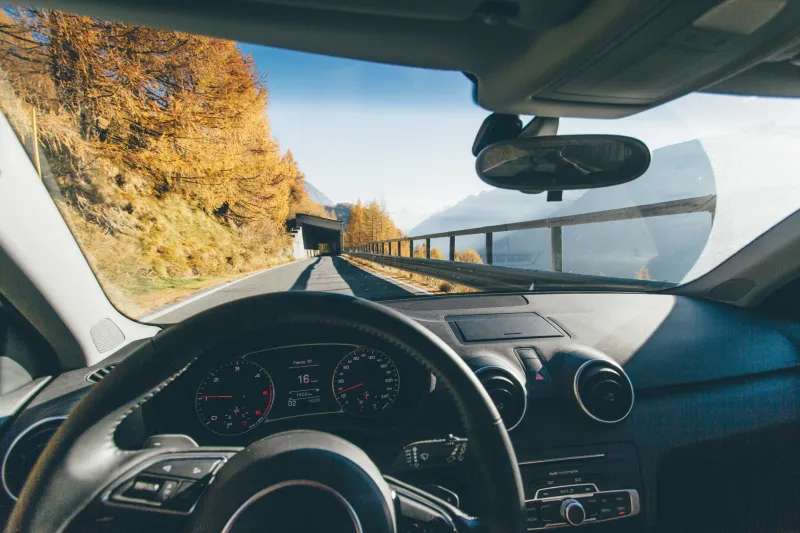
Photo: Hullian111, CC BY-SA 4.0, via Wikimedia Commons
The Test Drive Is a Performance — And You're the Audience
You've done your research. You've read the reviews, watched the YouTube walkarounds, compared the specs. You walk into the dealership feeling prepared. The salesperson hands you the keys, and you spend the next twenty minutes driving what feels like a genuinely impressive vehicle. Smooth ride. Quiet interior. Responsive steering.
You don't know it yet, but that car has been tuned for this exact moment. The experience you just had was produced — carefully, deliberately, and with years of accumulated dealership knowledge behind it.
The test drive isn't a neutral experience. It's a presentation.
The Preparation Ritual Most Buyers Never See
Before a demo vehicle goes out on a test drive, it typically goes through a prep process that varies by dealership but follows a recognizable pattern. Understanding what happens in that prep bay changes how you interpret everything you feel behind the wheel.
Tire pressure is one of the first things adjusted. Most passenger vehicles are spec'd at somewhere between 32 and 36 PSI for everyday driving. Demo vehicles are often run slightly above that range — sometimes 38 to 40 PSI or more. Overinflated tires have a firmer, more responsive feel. They reduce rolling resistance in a way that makes acceleration feel slightly crisper. They also make the vehicle feel more planted and direct in turns.
What they also do is make the ride harsher on rough pavement — but that's a problem for after you've signed the paperwork. On a smooth dealership demonstration route, you'll never notice.
Suspension settings get attention on vehicles that offer adjustable damping. If the car has multiple drive modes, it gets set to its most engaging configuration before you sit down. Some service-trained technicians will also check and address any known minor squeaks or rattles before a high-volume test-drive day — not to fix them permanently, but to quiet them enough that they don't surface during a 20-minute drive.
The Route Is Not Random
The test drive route at most dealerships isn't chosen casually. It's a curated experience.
Dealerships that have been operating for a few years develop institutional knowledge about which roads in their vicinity showcase the vehicle well. A smooth boulevard with a gentle sweeping curve lets buyers feel the steering without encountering the kind of expansion joint impacts that reveal suspension harshness. A short on-ramp to a highway gives a controlled moment to feel acceleration without extended high-speed driving. A quiet residential stretch lets the salesperson point out how hushed the cabin is — on a road they know is particularly smooth.
What you won't find on most standard test-drive routes: rough railroad crossings, potholed city blocks, tight parking maneuvers at low speed (which surface power steering pump noise and suspension clunks), or extended highway stretches where wind noise at 75 mph becomes apparent.
This isn't necessarily sinister. Dealerships have legitimate reasons to keep test drives predictable and safe. But the practical effect is that the sensory environment you're evaluating the car in has been optimized in ways you don't control.
The Demo Vehicle Itself Is Not a Random Sample
Here's something worth knowing: the vehicle you test drive is almost certainly not the one you'll ultimately purchase, and it may not be representative of the inventory you're choosing from.
Dealerships typically designate specific units as demo vehicles — cars that are maintained in better-than-average condition because they're customer-facing. They get more frequent fluid checks, more attentive detailing, and more careful handling by staff. The tire pressure gets monitored. The interior gets wiped down between drives.
The car you actually buy, whether it's been sitting on the lot for three months or just arrived on a transport truck, has had a different life. It may have a different tire brand than the demo. It may have been exposed to temperature extremes during shipping. Its fluid levels may not have been checked since it left the factory.
None of this means it's a bad car. But the delta between the demo experience and the ownership experience is real, and it's built into the system.
What to Ask Before You Turn the Key
Knowing the game doesn't mean you can't play it on better terms. A few specific questions and requests can meaningfully change the quality of information you get from a test drive.
Ask to drive the actual car you're considering buying, not just the demo. If the dealership has your configuration in stock, insist on driving that specific unit. You're entitled to evaluate the vehicle you're purchasing, not a representative sample.
Ask about the tire pressure on both vehicles — the demo and your potential purchase. If they're meaningfully different, that's worth understanding before you make judgments about ride quality.
Request a different route than the one they suggest, or at minimum, ask to include some rough pavement. Expansion joints, rough railroad crossings, or a section of patched asphalt will tell you things about suspension tuning and interior noise that a smooth boulevard never will.
Listen at low speed with the windows down for a moment. Power steering pump whine, brake pad squeal, and suspension articulation noise are all easier to catch when road noise isn't masking them.
Turn off the radio for at least part of the drive. It sounds obvious, but a remarkable number of buyers evaluate a vehicle's interior noise character with music playing the entire time. Wind noise, tire roar, and drivetrain sounds all become apparent the moment the audio system goes quiet.
The Details That Tell a Truer Story
Beyond the driving experience itself, there are physical details on the vehicle that reveal more than the test drive will.
Check the door jamb sticker for the tire placard pressure, then check what the tires are actually inflated to. A significant gap suggests the vehicle was prepped for impression, not accuracy.
Look at the interior surfaces in areas customers don't typically notice — under the dash, around the base of the center console, along the door sill below the armrest. These are the areas that get missed in a quick detail job and show you the vehicle's real maintenance character.
If the car has a digital display showing trip computer data, check whether it's been reset. A demo vehicle that shows 0.0 miles on the trip odometer has had its data cleared — standard practice before a test drive, but it also means you can't see how the car has been driven.
You're Allowed to Be a Harder Audience
None of this is meant to make you paranoid about the car-buying process. Most dealerships are running legitimate operations, and most vehicles — demo-prepped or not — are genuinely good products.
But the test drive exists to sell you a car, not to give you a complete engineering evaluation. The preparation that goes into it is a natural consequence of that goal.
The buyers who get the most out of a test drive are the ones who understand they're watching a performance — and ask to see a bit of the rehearsal room before they decide.