The Car Inspector's Cheat Sheet: Reading a Used Car's Real Story Without Lifting the Hood
The Stories Cars Tell Without Words
Every used car is a crime scene waiting to be solved. Not literally — though sometimes that too — but in the sense that vehicles carry invisible evidence of their past lives written in wear patterns, fading, and tiny details that most buyers completely ignore. While you're focused on mileage and maintenance records, seasoned car inspectors are reading a completely different story.
Professional auction buyers, independent mechanics, and fleet managers have developed an almost forensic approach to evaluating used vehicles that has nothing to do with diagnostic computers or compression tests. They can spot a flood car, detect odometer fraud, and identify hidden accident damage using nothing more than their eyes and hands. Here's how they do it.
The Pedal Archaeology Method
Start at the driver's feet and work your way up. The accelerator, brake, and clutch pedals tell stories that odometers can't lie about. A car with 30,000 miles shouldn't have worn-through pedal rubber or polished metal showing through the brake pedal surface. Conversely, brand-new pedal covers on a "low-mileage" car often mean someone's trying to hide evidence.
Look for uneven wear patterns too. If the brake pedal is completely worn but the accelerator looks new, you're probably looking at a city delivery vehicle or taxi that spent most of its life in stop-and-go traffic. That's not necessarily bad, but it's information the seller probably won't volunteer.
The dead giveaway for high-mileage vehicles? Check where the driver's left foot rests next to the clutch or brake pedal. In manual transmissions, there's often a worn spot in the carpet or floor mat where thousands of hours of left-foot positioning have left their mark.
Interior Fading Forensics
Sunlight doesn't lie, and it fades everything unevenly. Professional inspectors look for mismatched interior colors that reveal a car's real exposure history. The dashboard should fade consistently from left to right — if one section looks significantly newer, it's probably been replaced after an accident.
Pay special attention to the area behind the rearview mirror. This small patch of dashboard gets protected from direct sunlight and often retains the original color while everything around it fades. It's like finding the car's original paint color preserved under a Band-Aid.
Leather and vinyl tell similar stories. The driver's seat bolster should show wear consistent with the claimed mileage, but also check the passenger seat. If both front seats show equal wear on a car that supposedly had one careful owner, something doesn't add up.
The Door Seal Detective Work
Here's where it gets really interesting. Door seals compress and take a permanent "set" over time based on how often doors are opened and closed. Run your finger along the weather stripping — it should feel consistent and show gradual compression patterns.
Fleet vehicles and rental cars reveal themselves through unusually compressed door seals despite relatively low mileage. These cars get opened and closed far more frequently than personal vehicles, leaving behind a signature that's impossible to fake.
The trunk seal tells a different story. Delivery vehicles, work trucks used for hauling, or cars that spent time in flood zones often show unusual wear patterns or water staining around the trunk opening that normal passenger car use wouldn't create.
The Steering Wheel Time Machine
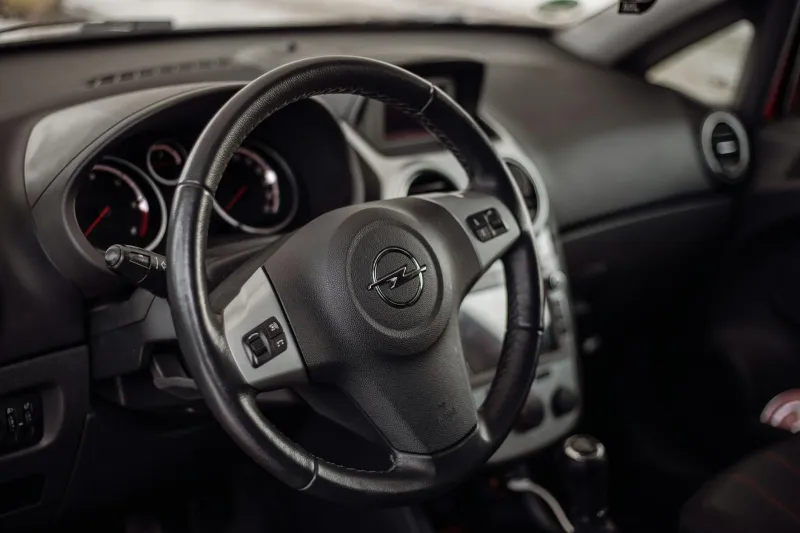
The steering wheel is probably the most honest part of any car's interior. It's impossible to replace without leaving traces, and aftermarket steering wheels on otherwise stock cars raise immediate red flags. Look for wear patterns that match the claimed usage.
A steering wheel worn smooth at the 10 and 2 o'clock positions suggests highway driving, while wear at 9 and 3 o'clock indicates more aggressive or performance-oriented driving. Completely polished spots where rings or watches have rubbed against the wheel can help you estimate how many hours someone actually spent behind the wheel.
Window and Mirror Truth Telling
Professional inspectors spend serious time examining glass. Original factory glass has date codes etched into corners that should all match the car's production year. Mismatched dates usually mean accident replacement.
But here's the subtle part: look at how the windows sit in their frames. Aftermarket glass often fits slightly differently than original equipment, creating tiny gaps or alignment issues that suggest bodywork.
Side mirrors reveal their own secrets. Check the adjustment range — if mirrors won't adjust to certain positions, the mounting points may have been damaged and repaired. The small vibrations and wear patterns around mirror adjustment controls also indicate real-world usage far better than odometer readings.
The Smell Test That Actually Works
Every car develops a scent profile based on its history. Air fresheners and detailing can mask odors temporarily, but they can't eliminate them. Professional buyers know that flood cars retain a musty, mildew smell that's impossible to completely remove. Heavy smokers leave behind tar residue that clings to fabric and plastic surfaces for years.
But here's what most people miss: rental cars and fleet vehicles often smell like industrial cleaning products because they're detailed so frequently. That "too clean" smell can be just as revealing as obvious problems.
Putting It All Together
The real skill isn't spotting individual clues — it's reading the overall story they tell together. A car with low mileage but high wear patterns might be a short-distance delivery vehicle. Uneven interior fading combined with new pedal covers suggests someone's trying to hide the evidence of hard use.
Professional car inspectors develop this forensic mindset because they know that every detail matters when you're buying dozens of vehicles per month. But these same techniques work just as well for anyone buying their next daily driver. The car's real history is written right there in plain sight — you just need to know how to read it.