When Corn Juice Nearly Beat Gasoline: The Fuel War America Forgot
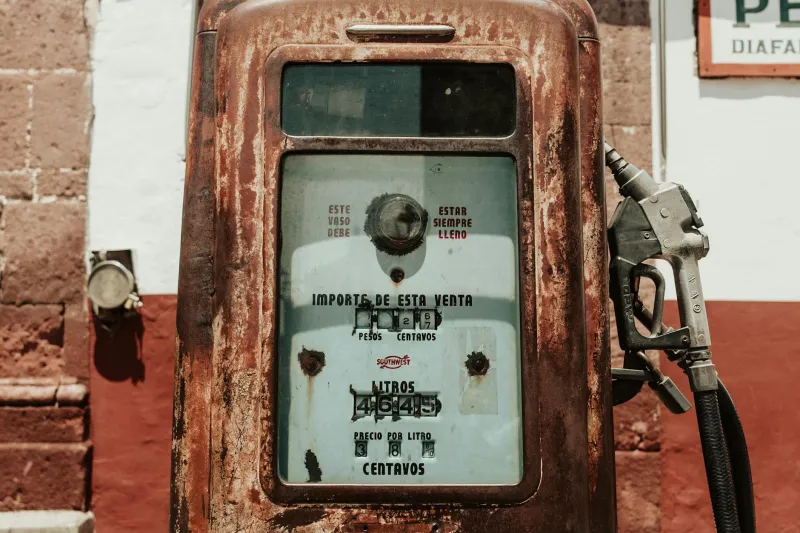
The Fuel That Almost Was
Pull into any gas station in America today, and you're participating in one of history's most successful corporate takeovers. But it didn't have to be this way. Before Standard Oil's stranglehold on the market, before OPEC crises and climate debates, there was another fuel that almost powered America's automotive revolution — and it came from corn, not crude oil.
Ethanol wasn't some fringe experiment. It was Henry Ford's preferred fuel. The Model T's engine was designed to run on ethanol, gasoline, or any blend of the two. Ford called ethanol "the fuel of the future" and believed it would free American farmers and drivers from the monopolistic grip of oil companies. He wasn't alone.
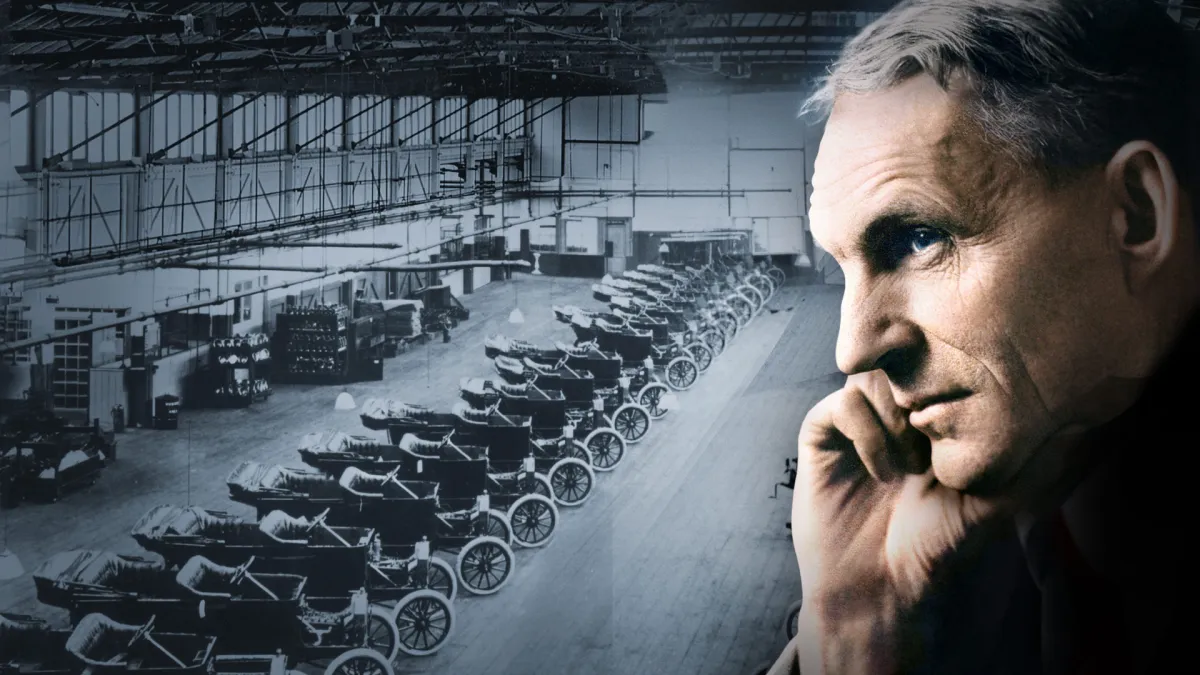 Photo: Henry Ford, via eskipaper.com
When Farmers Were Fuel Dealers
In the early 1900s, ethanol production was booming across rural America. Farmers could distill their own fuel from excess corn, creating a distributed energy network that kept money in local communities instead of flowing to oil barons. Small-town America was essentially energy independent, with grain-to-fuel operations scattered across the Midwest like today's craft breweries.
The fuel performed remarkably well. Ethanol burned cleaner than gasoline, produced higher octane ratings, and could be produced anywhere with farmland and basic distillation equipment. Racing drivers preferred it because it ran cooler and delivered more power. The Indianapolis 500 used ethanol exclusively from 1965 to 2006 — not for environmental reasons, but because it was simply better racing fuel.
The Conspiracy That Killed Competition
What happened next reads like a corporate thriller. Standard Oil, led by John D. Rockefeller, recognized ethanol as an existential threat to their emerging gasoline empire. They couldn't compete on performance or price, so they changed the rules of the game.
The weapon of choice? The federal tax code. In 1906, the government imposed a $2.08 per gallon tax on ethanol — ostensibly to prevent people from drinking industrial alcohol, but effectively pricing ethanol out of the automotive market. Meanwhile, gasoline remained tax-free. It was economic warfare disguised as public safety policy.
Standard Oil also launched a sophisticated disinformation campaign, spreading stories about ethanol's supposed unreliability and danger. They funded studies questioning its performance while simultaneously buying up ethanol production facilities to shut them down. When Prohibition arrived in 1920, it delivered the final blow — ethanol production became illegal overnight, even for fuel purposes.
The Cover-Up That Lasted Decades
By the 1930s, most Americans had forgotten ethanol ever existed as motor fuel. Oil companies had successfully rewritten automotive history, making gasoline seem like the natural, inevitable choice for powering cars. Generations grew up believing internal combustion engines were designed for petroleum products, never learning that the opposite was true.
This wasn't just about fuel — it reshaped American geography, politics, and foreign policy. The oil-dependent economy drove westward expansion into Texas and California, created the military-industrial complex that guards overseas petroleum interests, and concentrated energy wealth in the hands of a few multinational corporations.
The Ethanol Renaissance That Never Quite Happened
Ethanol made brief comebacks during both World Wars, when gasoline was rationed and alternatives became patriotic necessities. Brazil proved the concept could work at scale, running their entire automotive fleet on sugar-based ethanol for decades. But in America, Big Oil's influence had become too entrenched.
Even today's ethanol revival — the E85 and corn-based blends available at some gas stations — represents just a fraction of what the fuel could accomplish. Modern ethanol production is deliberately inefficient, designed to supplement rather than replace gasoline. The infrastructure that could support widespread ethanol adoption was systematically dismantled a century ago.
What We Lost Along the Way
Imagine an America where energy independence meant something different — where farmers, not oil companies, controlled fuel production. Where small towns prospered from local energy economies instead of watching wealth flow to distant refineries. Where environmental concerns about carbon emissions had been addressed before they became a crisis.
The ethanol story reveals how completely we've accepted the world oil companies built for us. Every time you fill your tank, you're participating in a system that was never inevitable — just incredibly well-orchestrated. The fuel that Henry Ford called "the future" is still out there, waiting in grain fields across America, a reminder that the roads we travel were paved with more than asphalt. They were paved with choices we never knew we had.