Why Your Car's Best Brake System Is the One You Never Touch
The Invisible Brake That's Always There
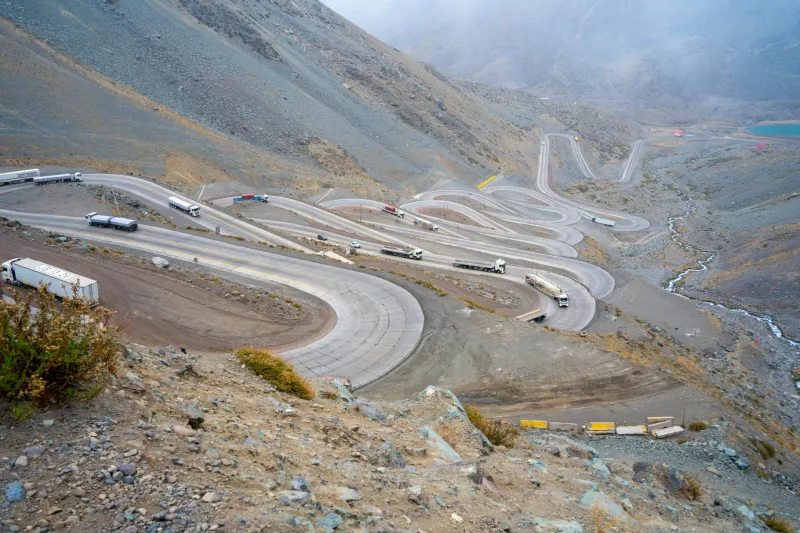
Next time you're behind an 18-wheeler descending a mountain grade, listen carefully. You'll hear something that sounds like a diesel engine working overtime — a deep, rhythmic rumble that's not quite acceleration but definitely not coasting. That sound is engine braking in action, and it's doing something your car could do too, if you knew how to ask.
Most drivers think braking means pressing the brake pedal. Period. But truckers, motorcycle riders, and anyone who's spent serious time on mountain roads knows there's another way to slow down — one that uses physics instead of friction, and saves your actual brakes for when you really need them.
The Physics of Turning Momentum Into Heat
Engine braking works on a beautifully simple principle: instead of your engine pushing your car forward, you flip the relationship and make your car's momentum turn the engine. When you take your foot off the gas and downshift (or let your automatic transmission do it for you), the engine becomes a giant air compressor, creating resistance that slows you down.
Here's what's happening under the hood: your engine normally sucks in air, compresses it with fuel, ignites it, and uses that explosion to push pistons down. During engine braking, you're still sucking in air and compressing it, but without fuel, there's no explosion to push back. The energy required to compress all that air has to come from somewhere — and that somewhere is your car's forward momentum.
The result? Your speed drops without touching the brake pedal, and instead of heating up your brake rotors and pads, you're just heating up the air inside your engine cylinders.
Why Truckers Treat It Like Gospel
For truck drivers, engine braking isn't just a neat trick — it's survival equipment. A loaded semi can weigh 80,000 pounds, and traditional brakes simply can't handle that mass on a long downgrade without overheating. Brake fade on a mountain pass doesn't just mean longer stopping distances; it can mean complete brake failure.
That's why you'll see signs on steep grades warning trucks to use lower gears. Professional drivers know that engine braking can provide 60-70% of the stopping power they need, saving their actual brakes for emergencies and final stops.
The technique is so crucial that many modern trucks come with dedicated engine braking systems — Jake brakes, exhaust brakes, and other mechanical aids that amplify the natural engine braking effect. These systems can slow a truck almost as effectively as traditional brakes, but without the heat buildup that causes brake fade.
The Automatic Transmission Secret
Here's where it gets interesting for regular car drivers: your automatic transmission probably supports engine braking, but it's designed to hide the fact. Modern automatics are programmed to keep you comfortable, which means they'll shift to higher gears and minimize engine braking in most situations.
But that doesn't mean the capability isn't there. Most automatics have a manual mode or at least some lower gear positions (1, 2, 3, or L) that will lock the transmission into specific gears. Use these on long downgrades, and you'll feel your car slow down without touching the brakes.
Even in full automatic mode, many transmissions will engine brake if you completely lift off the accelerator while going downhill. The key is learning to recognize the feeling — that gentle deceleration that happens when you're not accelerating but haven't hit the brakes yet.
When Engine Braking Actually Matters
For most city driving, engine braking is more of an efficiency trick than a necessity. But there are specific scenarios where it becomes genuinely useful:
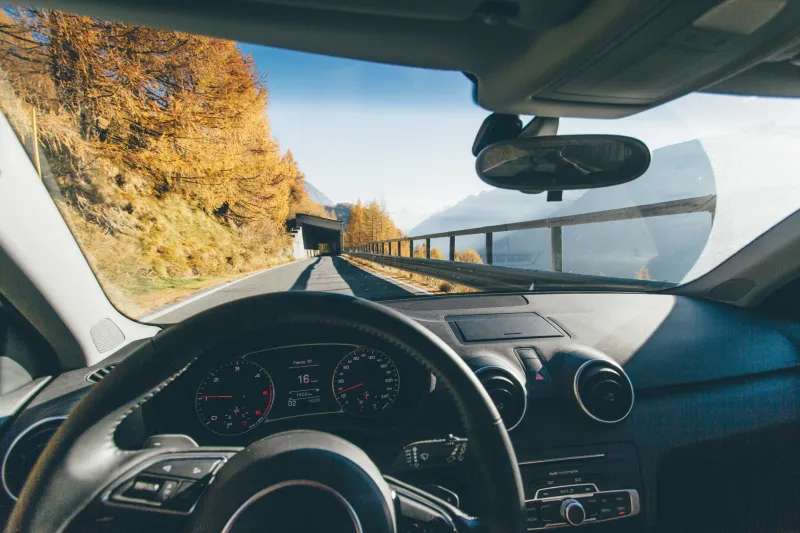
Mountain driving: Long downgrades can overheat your brakes. Engine braking lets you maintain speed control without building up heat in your brake system.
Stop-and-go traffic: Instead of constantly riding your brakes, you can use engine braking to modulate your speed, reducing brake wear and improving fuel economy.
Slippery conditions: Engine braking is less likely to cause wheel lockup than traditional braking, especially on ice or snow.
Towing: Extra weight means more momentum to control. Engine braking gives you another tool for managing that momentum safely.
The Fear Factor
So why don't more drivers use engine braking? Part of it is simply unfamiliarity — if you learned to drive in an automatic and never had anyone explain it, you might go decades without realizing your car could do it.
But there's also a comfort factor. Engine braking feels different from regular braking. The deceleration is more gradual, and in a manual transmission, it requires planning ahead to downshift smoothly. Many drivers prefer the immediate, predictable response of brake pedals.
There's also a persistent myth that engine braking damages your engine or transmission. This isn't true for modern vehicles — engines and transmissions are designed to handle the loads that engine braking creates. In fact, engine braking is often gentler on your drivetrain than the alternative of riding your brakes and potentially overheating them.
Learning to Trust the Technique
If you want to try engine braking, start small. Find a gentle downgrade and experiment with lifting completely off the accelerator. Feel how your car responds. If you have a manual mode on your automatic transmission, try shifting to a lower gear and notice how the deceleration changes.
The goal isn't to replace your brakes entirely — it's to give yourself another tool for speed control. Professional drivers know that the best braking strategy uses every system available: engine braking for gradual speed control, traditional brakes for stopping and emergencies.
Next time you're following that rumbling truck down a mountain pass, remember: they're not just making noise. They're using physics to stay safe, and your car has been hiding the same capability all along.