The Underground Economy Hiding Behind Chain-Link Fences
The $50 Part That Sells for $500
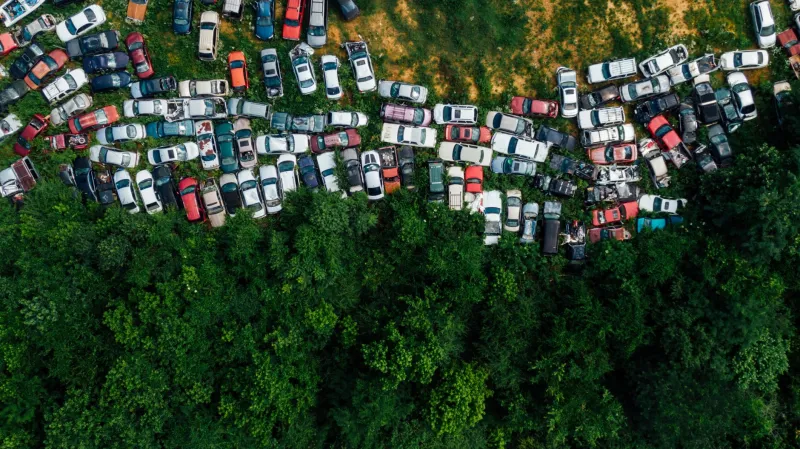
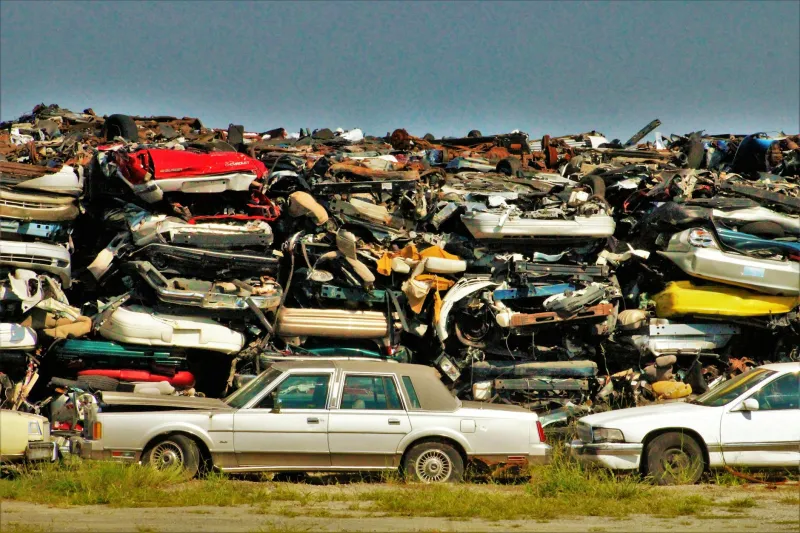
Mike pulls his beat-up pickup truck into the gravel lot of Pick-N-Pull, pays his $5 entry fee, and walks past rows of cars that most people would consider scrap metal. But Mike isn't most people. He's part of a loosely connected network of mechanics, flippers, and car enthusiasts who've figured out how to turn America's salvage yards into surprisingly profitable hunting grounds.
Twenty minutes later, he's walking back to his truck with a $50 catalytic converter that he'll sell online for $400. Tomorrow, he'll return for a set of wheels that cost him $200 but retail for $1,200. It's not luck — it's a system that most people never realize exists.
The Knowledge Gap That Creates Opportunity
Salvage yards operate on a simple premise: buy wrecked cars cheap, let customers pull their own parts, price everything to move quickly. But this creates an interesting arbitrage opportunity for people who know what to look for.
The yard employees pricing parts often use basic formulas — alternators are $30, headlights are $40, wheels are $50 each. They're not automotive experts; they're running a volume business. Meanwhile, that "$40 headlight" might be a rare HID unit worth $300 on the aftermarket, or those "$50 wheels" could be limited-edition factory rims that enthusiasts pay premium prices for.
The gap between salvage yard pricing and actual market value creates opportunities for people who know how to bridge it.
The Regional Price Game
Here's where it gets really interesting: salvage yard pricing varies dramatically by region. A BMW part that's common in affluent suburbs might be rare gold in rural areas, and vice versa. Smart flippers have figured out these regional differences and built networks to exploit them.
Take pickup truck parts in Texas versus luxury car components in California. Texas yards are flooded with truck parts, keeping prices low, while California yards see fewer trucks but plenty of high-end imports. Flip that dynamic for luxury parts, and you've got the foundation for a profitable arbitrage business.
Some operators have turned this into road trip businesses — loading up trucks with parts from oversupplied regions and selling them where demand is high. Others work online, buying parts locally and shipping them to markets where they command premium prices.
The Art of Spotting Hidden Gems
Successful salvage yard arbitrageurs develop an almost supernatural ability to spot valuable parts that others miss. They know that the weathered plastic covering might hide expensive xenon headlights, or that the rusted-looking wheel could be a rare factory option worth serious money once cleaned up.
They also understand timing. Fresh arrivals — cars that just got processed — often contain the best parts before other hunters have picked them over. Some yards post new inventory online; others require regular scouting missions to catch the good stuff.
The best hunters also know seasonal patterns. Convertible parts spike in value before summer, while winter means demand for heating systems and all-wheel-drive components. Timing purchases and sales around these cycles can double profit margins.
The Tools of the Trade
This isn't just about wandering around hoping to get lucky. Serious salvage yard arbitrageurs come prepared with research tools that would make stock traders jealous.
Smartphone apps help them check real-time prices on eBay, Amazon, and specialty part sites while standing in the yard. They maintain spreadsheets tracking which yards have the best prices for specific types of parts. Some even use metal detectors to find valuable components in cars that have been stripped of obvious parts.
The most sophisticated operators maintain relationships with yard employees, getting tips on incoming inventory or even advance access to newly processed vehicles.
The Online Marketplace Connection
The internet transformed salvage yard arbitrage from a local hustle into a national business. eBay, Facebook Marketplace, and specialty forums gave flippers access to customers far beyond their local area.
Suddenly, that rare Subaru part sitting in a Montana salvage yard could find its way to an enthusiast in Florida willing to pay premium prices. The key became understanding which parts had national demand versus local markets.
Some flippers specialize in specific makes or types of vehicles, building reputations as go-to sources for hard-to-find components. Others cast wider nets, looking for anything with significant price gaps between salvage and retail values.
The Whole Car Game
While most people think about individual parts, some operators play an even bigger game: buying entire vehicles from salvage auctions and parting them out. This requires more capital and storage space, but the profits can be substantial.
A car that sells for $800 at salvage auction might yield $2,000-3,000 in parts if dismantled strategically. The trick is knowing which vehicles are worth more in pieces than as wholes, and having the space and time to maximize the return.
This approach requires understanding not just part values, but also which components are most likely to sell quickly versus those that might sit in inventory for months.
The Risks and Realities
Salvage yard arbitrage isn't without challenges. Storage becomes an issue quickly — successful flippers often end up with garages, sheds, or warehouse spaces full of parts waiting for the right buyer. There's also the time investment in cleaning, testing, photographing, and shipping parts.
Market knowledge becomes crucial. Buy the wrong parts, and you're stuck with expensive inventory that won't move. Miss emerging trends, and you might overlook the next big opportunity.
There's also increasing competition as more people discover these opportunities. Some yards have started researching their own pricing more carefully, closing some of the arbitrage gaps.
The Future of Yard Hunting
As cars become more complex and specialized, the knowledge gap that creates arbitrage opportunities is actually growing. Modern vehicles contain components that yard employees are even less likely to price accurately — from advanced sensors to specialized electronic modules.
At the same time, online tools make it easier for both hunters and yards to research values, potentially closing some opportunities while creating others.
For now, though, there's still gold in those graveyards — if you know where to look and how to turn rust into revenue. The next time you drive past a salvage yard, remember: behind those chain-link fences, there's an entire underground economy that most people never see.