The Racing Capital America Forgot: How a Rust Belt Town Quietly Built Speed Legends
The Town That Speed Built
Mention American racing history, and most people think Detroit, Daytona, or Indianapolis. But tucked away in north-central Indiana sits a town whose name rarely appears in racing documentaries despite building more championship-winning engines than anywhere else in the country.
Welcome to Speedway, Indiana — population 11,000 — where immigrant machinists, postwar manufacturing accidents, and pure Midwestern stubbornness created the most unlikely motorsport powerhouse in American history.
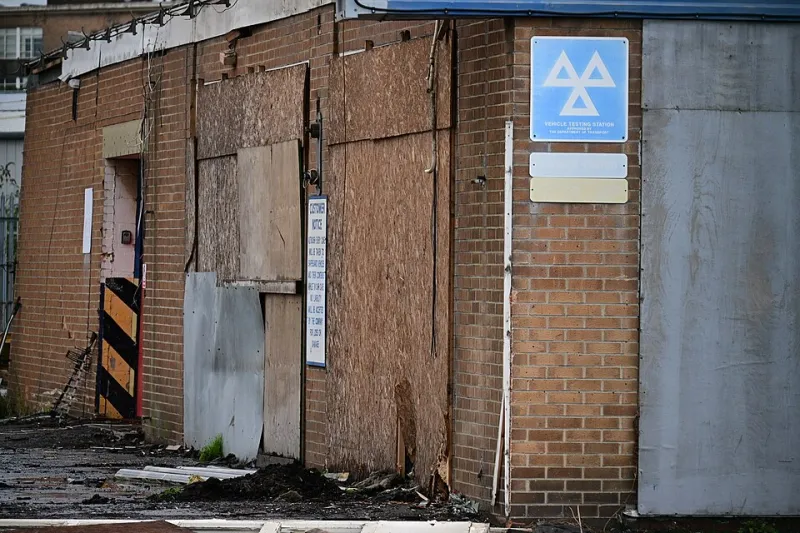
 Photo: Speedway, Indiana, via cdn.seearoundbritain.com
From Farm Tools to Race Cars
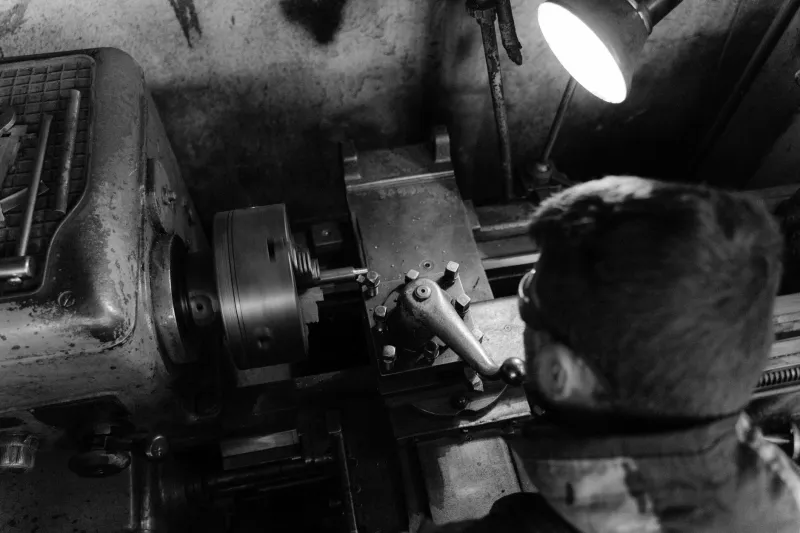
Speedway's racing story begins not with cars, but with corn. In the early 1900s, the town housed several agricultural equipment manufacturers who'd perfected the art of precision metalworking for farm machinery. When the nearby Indianapolis Motor Speedway opened in 1911, these same craftsmen discovered their skills translated perfectly to building race car components.
 Photo: Indianapolis Motor Speedway, via d.techtimes.com
What started as weekend side projects gradually evolved into something much larger. By the 1920s, Speedway's machine shops were quietly supplying engines and parts to racing teams across the Midwest, though few outside the industry knew where their speed was actually manufactured.
The real transformation happened after World War II, when returning veterans brought military precision manufacturing techniques to civilian workshops. Suddenly, Speedway's machinists could achieve tolerances that made Detroit's mass production look crude by comparison.
The Immigrant Engine Masters
Speedway's secret weapon was its population of Eastern European immigrants who'd arrived in the early 1900s to work in Indianapolis's heavy industries. These craftsmen brought Old World metalworking traditions that emphasized hand-finishing and individual attention to detail — exactly what racing engines demanded.
Families like the Kowalskis, Novaks, and Petrovics established small engine shops that operated more like artisan studios than typical American factories. Each engine was individually blueprinted, balanced, and tested by craftsmen who'd learned their trade in the precision workshops of Prague, Krakow, and Budapest.
By the 1950s, if you wanted a truly competitive race engine, you didn't call Detroit — you drove to Speedway and knocked on a workshop door marked only with a family name.
The Underground Racing Network
What made Speedway unique wasn't just its technical expertise, but its culture of secrecy. Unlike Detroit's publicity-hungry automakers, Speedway's engine builders preferred staying invisible. They worked on handshake agreements, rarely advertised, and let their engines' track records speak for themselves.
This underground approach created a tight-knit network where knowledge passed from master craftsmen to apprentices in workshop back rooms. Racing teams would arrive in unmarked trucks, pick up engines wrapped in canvas, and leave without paperwork. Payment often came in cash, and customer lists stayed locked in workshop safes.
The system worked beautifully. Speedway-built engines powered victories at Daytona, Le Mans, and racetracks across America, while the town itself remained virtually unknown to mainstream automotive media.
The Golden Years
Speedway's peak came during the 1960s and 1970s, when nearly every major racing series featured engines built within a five-mile radius of the town center. NASCAR legends like Richard Petty and David Pearson relied on Speedway power. Trans-Am champions used Speedway-modified small blocks. Even Formula One teams occasionally made pilgrimages to Indiana for specialized components.
 Photo: Richard Petty, via live.staticflickr.com
The town's machine shops developed innovations that later became industry standards: advanced cylinder head porting techniques, precision balancing methods, and metallurgy improvements that squeezed hundreds of extra horsepower from conventional engine blocks.
Yet despite powering some of the most famous racing victories in American history, Speedway remained largely invisible to the general public. Racing magazines occasionally mentioned "Indiana engine builders," but rarely provided specifics.
The Decline and Legacy
Speedway's decline began in the 1980s, when computer-controlled manufacturing made Detroit's mass-produced engines competitive with hand-built alternatives. Racing teams could achieve similar performance at lower costs using factory-backed programs, reducing demand for artisan-built powerplants.
Many of Speedway's master craftsmen retired without passing on their knowledge, taking decades of accumulated expertise to their graves. Younger generations left for college and corporate careers, leaving workshop traditions to fade.
Today, only a handful of Speedway's original engine shops remain active, serving collectors and vintage racing enthusiasts who still value hand-built craftsmanship over computer precision.
Rediscovering Racing's Hidden Capital
Walk through modern Speedway, and you'll find few obvious signs of its motorsport heritage. The machine shops that once hummed with activity now house auto repair services or light manufacturing. Street names like Victory Lane and Gasoline Alley hint at the town's racing connections, but most residents under forty have little knowledge of their community's extraordinary history.
Yet for those who know where to look, traces remain. In garage sales, you might find precision measuring tools marked with Eastern European workshop stamps. Local mechanics occasionally produce engine components machined to tolerances that seem impossible for such a small town. And sometimes, late-model race cars still arrive quietly at unmarked buildings where old masters continue practicing their craft.
Speedway's story illustrates how America's greatest achievements often emerge from unexpected places, built by people who preferred creating legends to becoming them. While Detroit grabbed headlines and glory, a small Indiana town quietly provided the horsepower that made those headlines possible.
The next time you watch vintage racing footage, remember: the engines powering those legendary victories were probably built by craftsmen whose names history forgot, in workshops that never sought fame, in a town that speed built but the world overlooked.